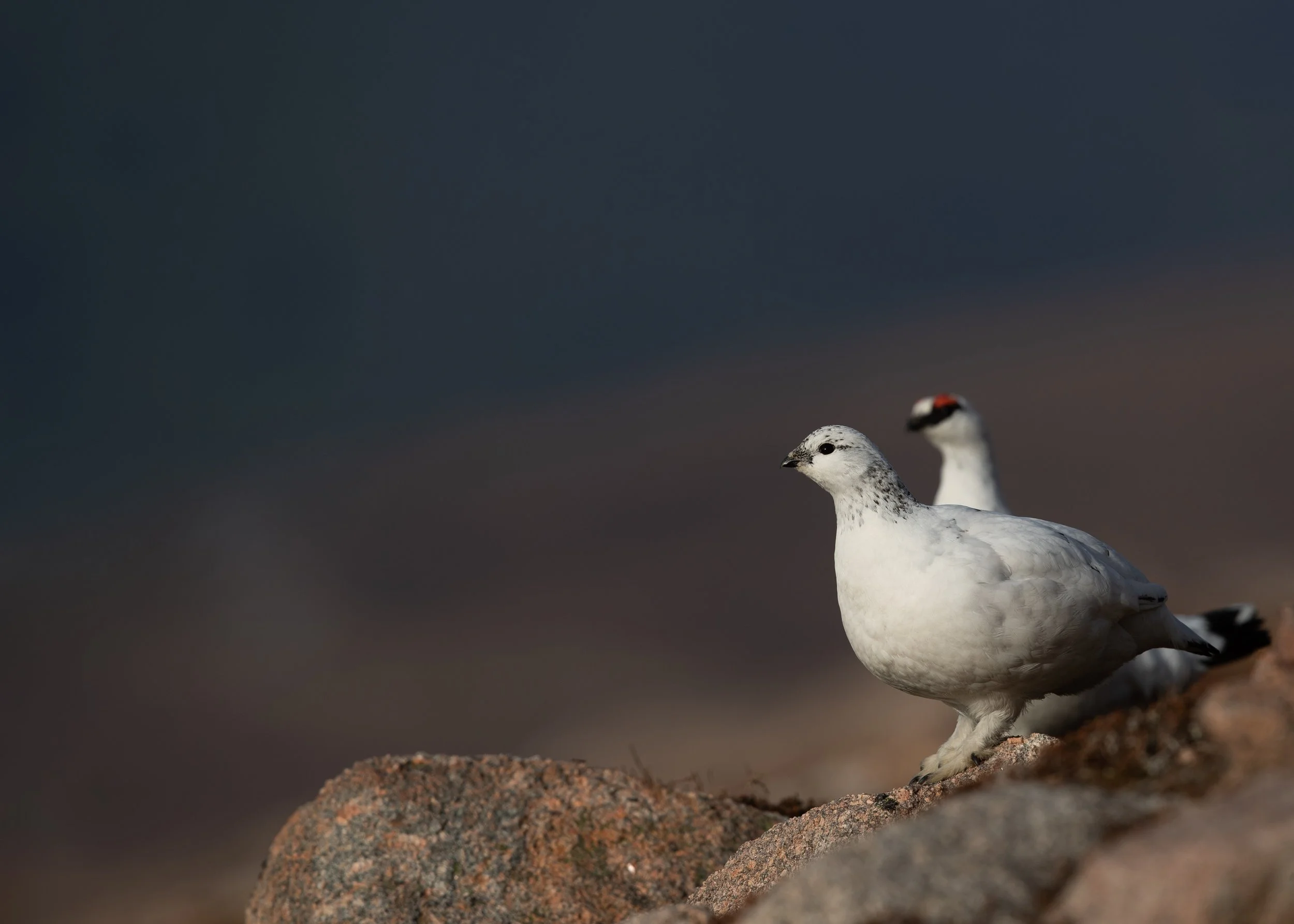
Ptarmigan
Bound to the open, windswept landscapes of tundra-like environments, the Ptarmigan Lagopus muta finds its British sanctuary high in the Scottish mountains, where cold air and sparse vegetation still echo the conditions of its broader Arctic range.

Not all bees sting …
The Bee Orchid, Ophrys apifera is an attractive and perhaps one of our best known and well-loved orchids.

Nemophora degeerella
The beautiful Yellow-barred Long-horn, Nemophora degeerella is relatively common amongst woodland over much of England and Wales.

Entomological Collections
Entomological collections, indeed any collection of natural history specimens, are libraries of natural objects such as insects, mammals, birds, plants and fungi. Such items are collected and preserved because they form a rich foundation upon which to study the natural world by, for example, providing the basis for identification of organisms, mapping their distribution and providing the means for facilitating research led conservation.
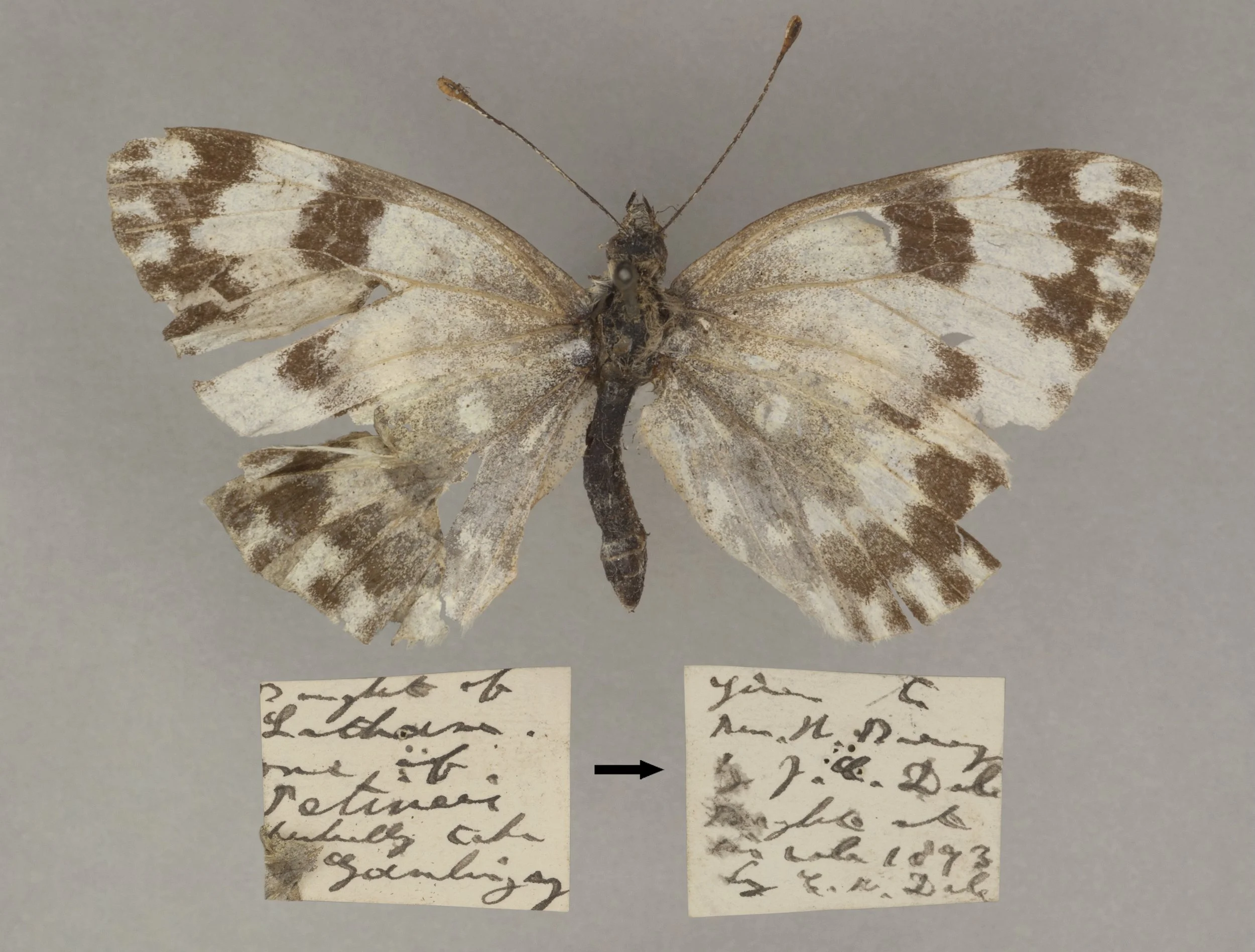
The Aurelians
The earliest recorded British occurrence of the Bath White Pontia daplidice has traditionally been attributed to William Vernon (fl. 1660–c.1735), who is reputed to have captured a specimen at White Wood, near Gamlingay, Cambridgeshire, in May 1702.
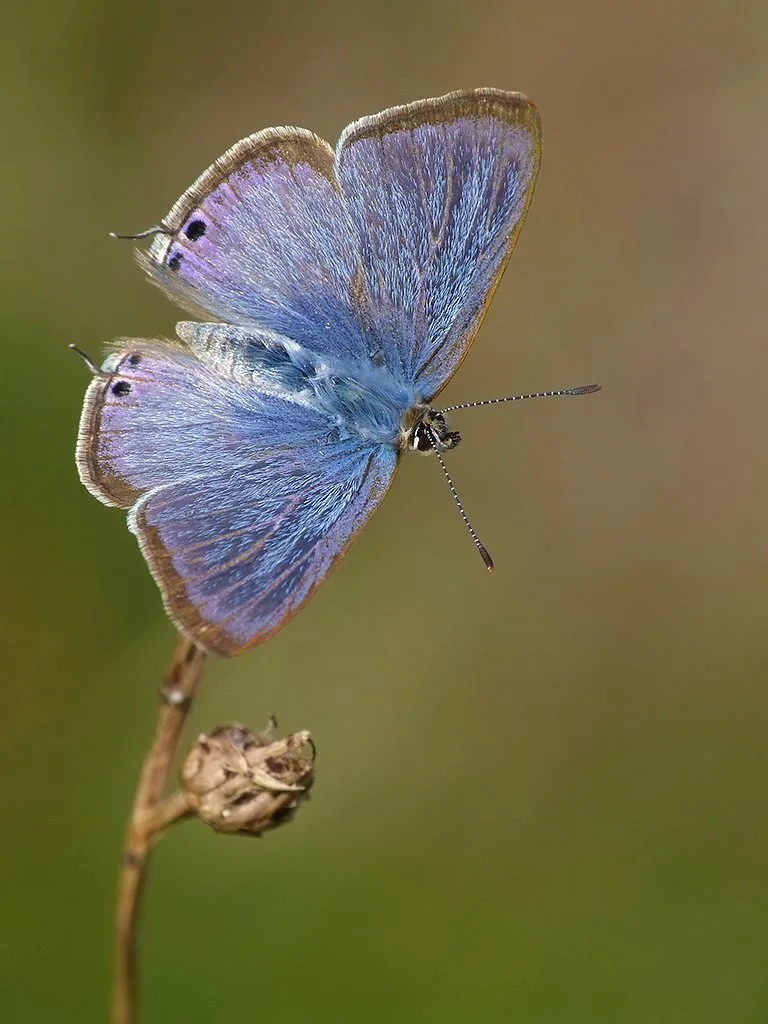
Long-tailed Blue
The Long-tailed Blue Lampides boeticus, (Linnaeus, 1767) is one of the most widespread butterflies in the world, being found throughout southern Europe, Africa, southern Asia, India and Australia, extending eastwards to parts of Oceania including Hawaii. However, it is one of the rarest migrants to the British Isles.

Glanvilles Wootton and beyond ...
James Charles Dale was born at Iwerne Minster, near Blandford, Dorset, on the 13th December 1791. Born into a family of wealthy landowners he spent much of his adult life studying entomology. He was undoubtedly one of the most influential entomologists of his time, and his collections, spanning numerous insect orders, are probably the single most important and comprehensive to have ever been compiled in the British Isles.
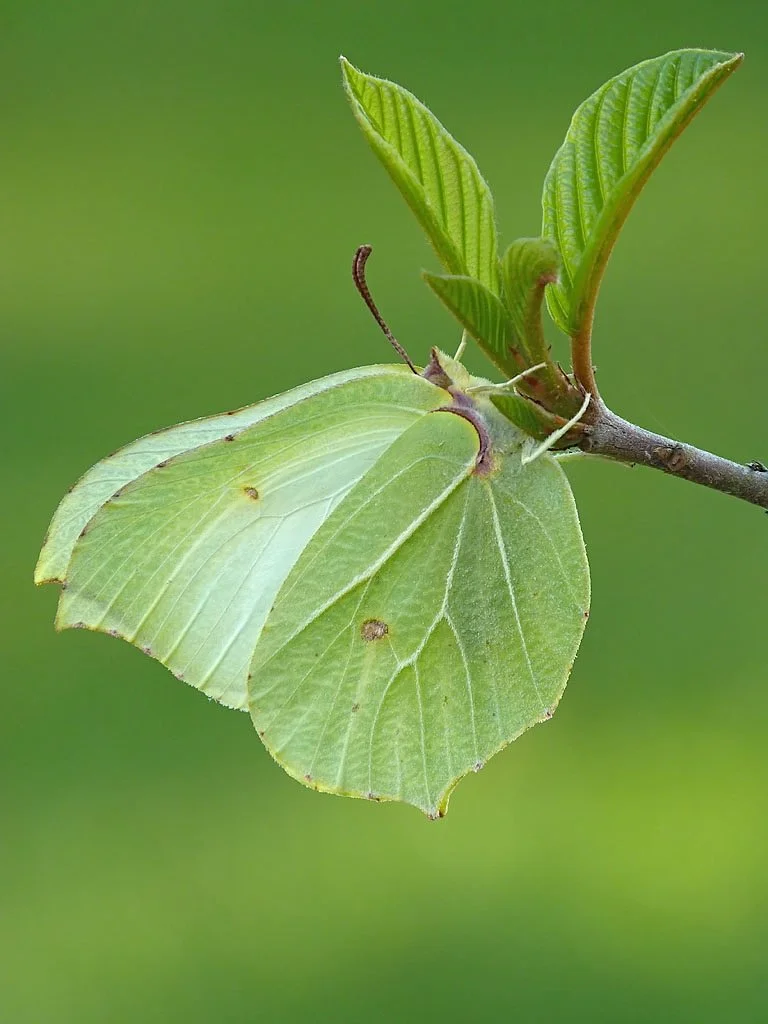
Mixed Identity
In humans, sex is first established by the sex chromosomes, which determine whether the reproductive organs develop as testes or ovaries. These organs then produce hormones that circulate through the bloodstream and guide the development of the rest of the body. In this system, the sex chromosomes found in most body cells do not directly control whether those tissues develop male or female characteristics. In insects, however, sex development works very differently.