Two's company ...
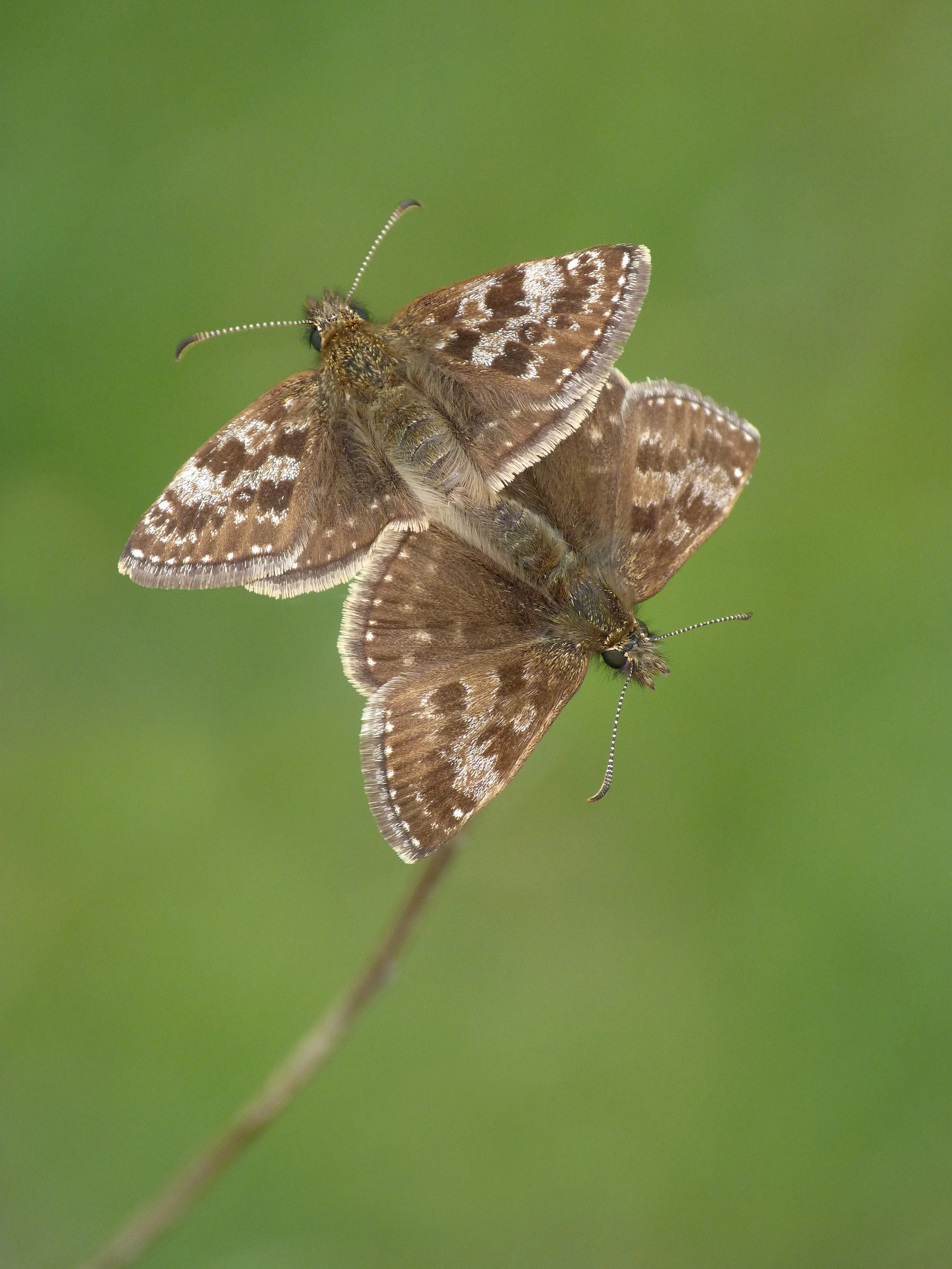
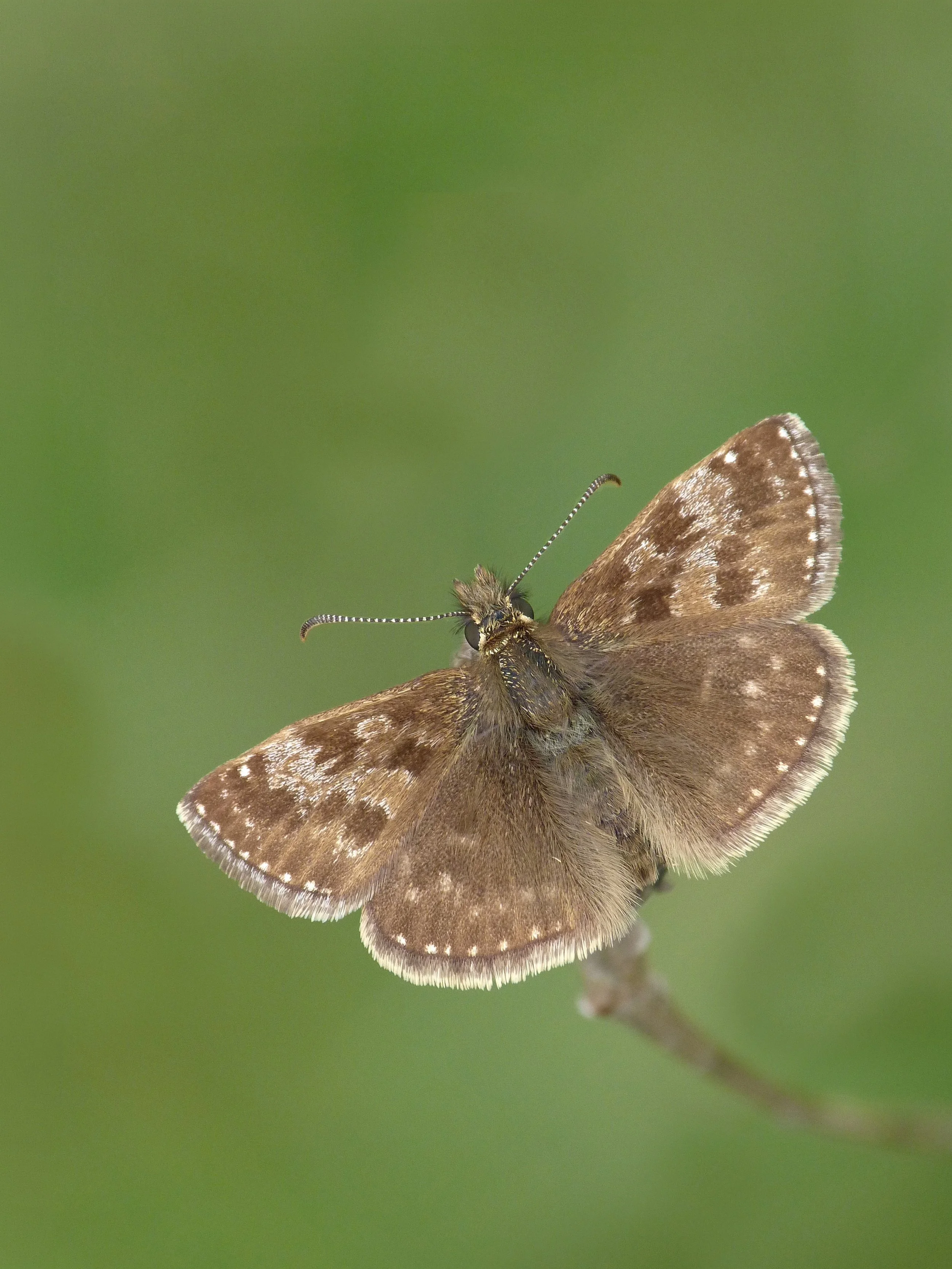
Despite its rather unfortunate name, the freshly emerged Dingy Skipper Erynnis tages reveals a quiet refinement, its wings dusted in a fine mosaic of warm browns and ash-grey, a subdued beauty that rewards a closer look. It remains the most widespread of Britain’s skippers, though its fortunes have waned alongside shifts in agricultural practice. Scattered colonies persist across the British Isles from the calcareous outcrops of northern Scotland to pockets in Ireland, where it is local and scarce. Its principal strongholds lie across central and southern England, where it inhabits discrete colonies, often isolated, with little movement between them.
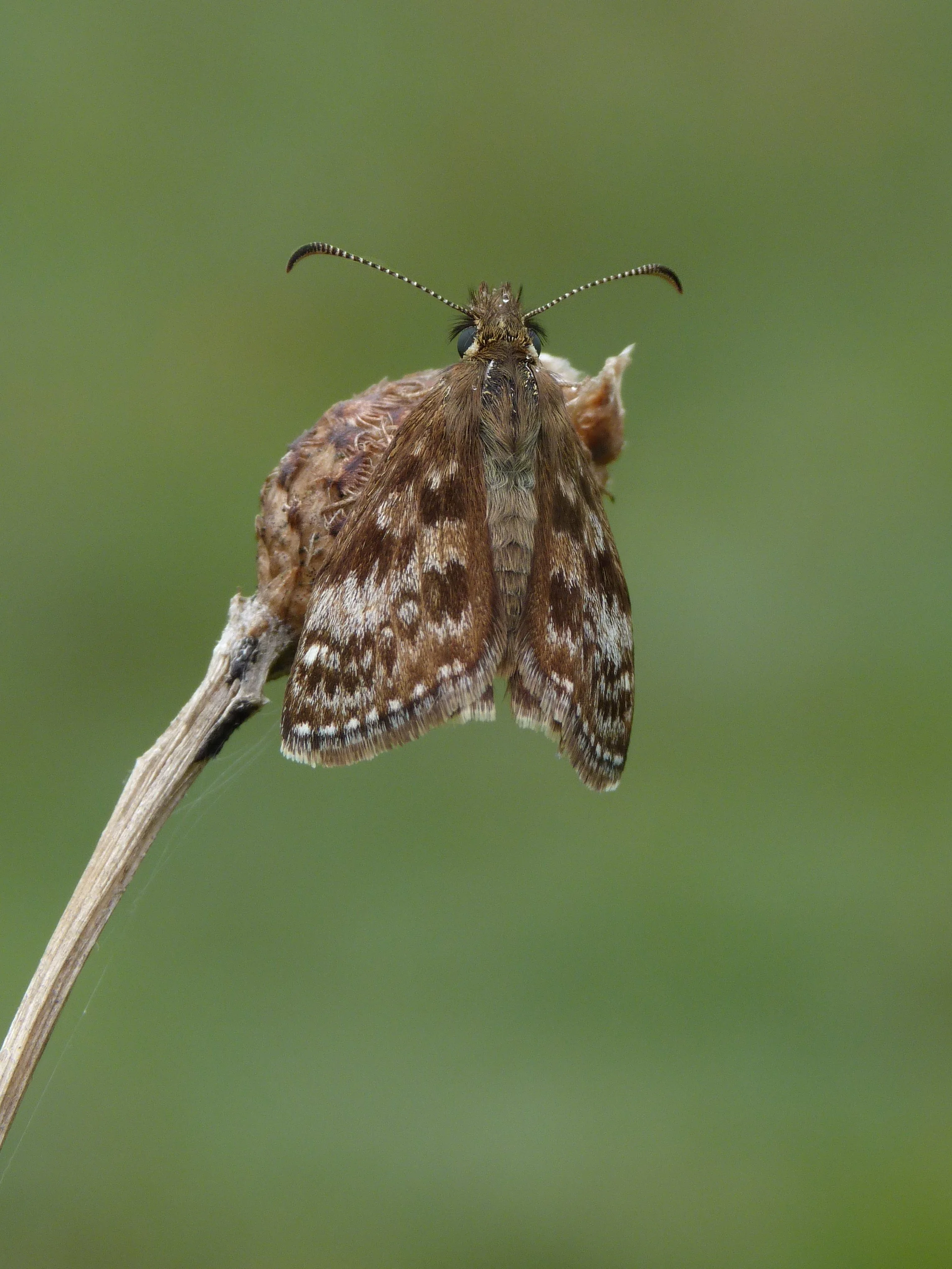
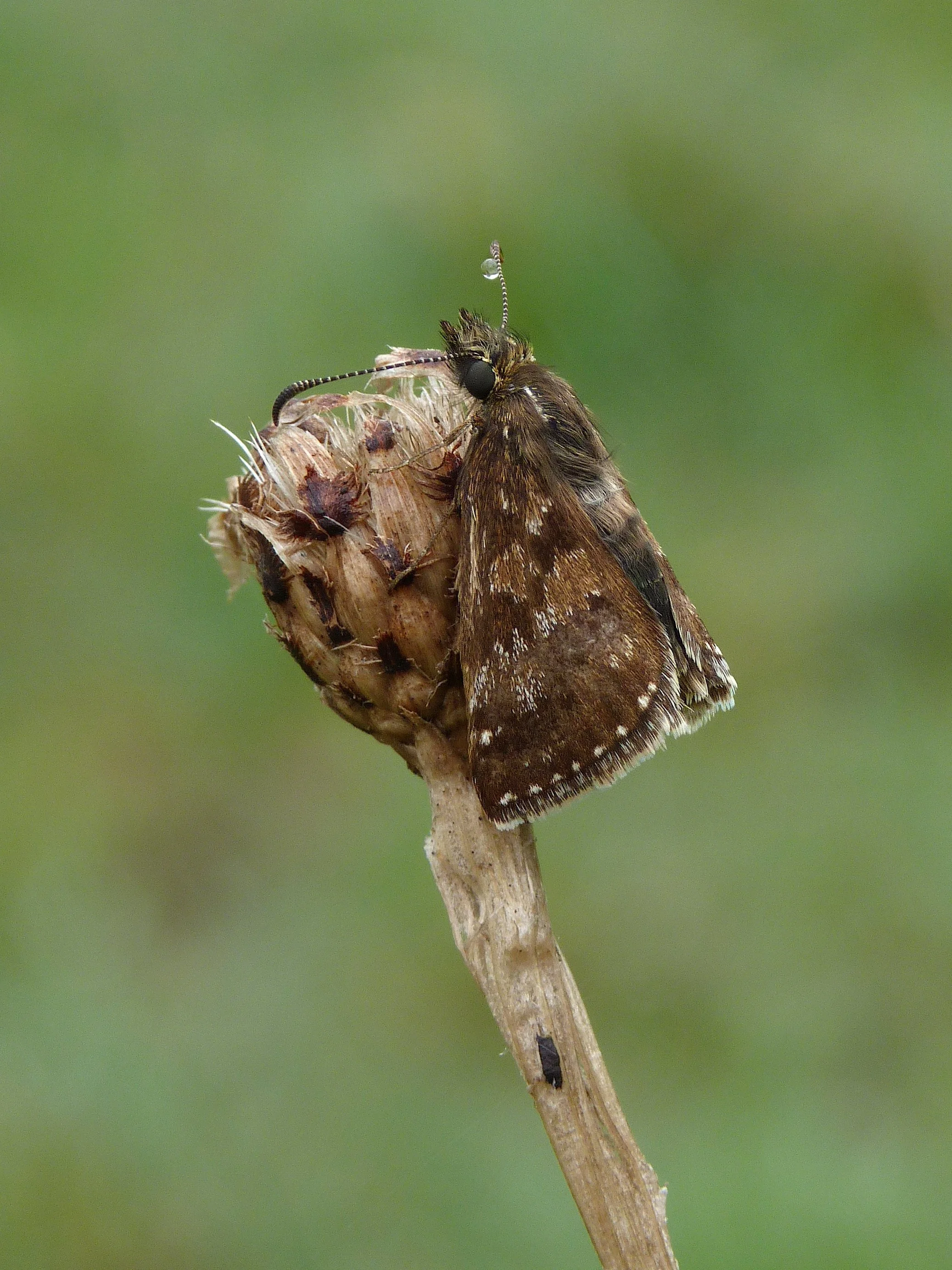
Like its kin, E. tages moves with a rapid, darting flight, low to the ground and easily lost to the eye as it flickers over short turf. A lover of warmth, it frequently settles to bask upon bare earth or sunlit stone, absorbing the day’s heat. As afternoon softens towards evening, these small butterflies seek their rest, gathering to roost upon dry seed heads and withered blooms. There, wings drawn close around the perch, they assume a still, almost moth-like repose.
In Britain, the adult butterfly is most often on the wing from late April through to June, its emergence timed with the lengthening days of spring. In favourable southern sites, particularly on well-drained chalk or limestone grassland, a partial second brood may appear in July or early August, though this is far from guaranteed and remains a more local occurrence.
References:
https://www.ukbutterflies.co.uk/species.php?species=tages [Accessed, 5th April 2026].