Herald of spring …
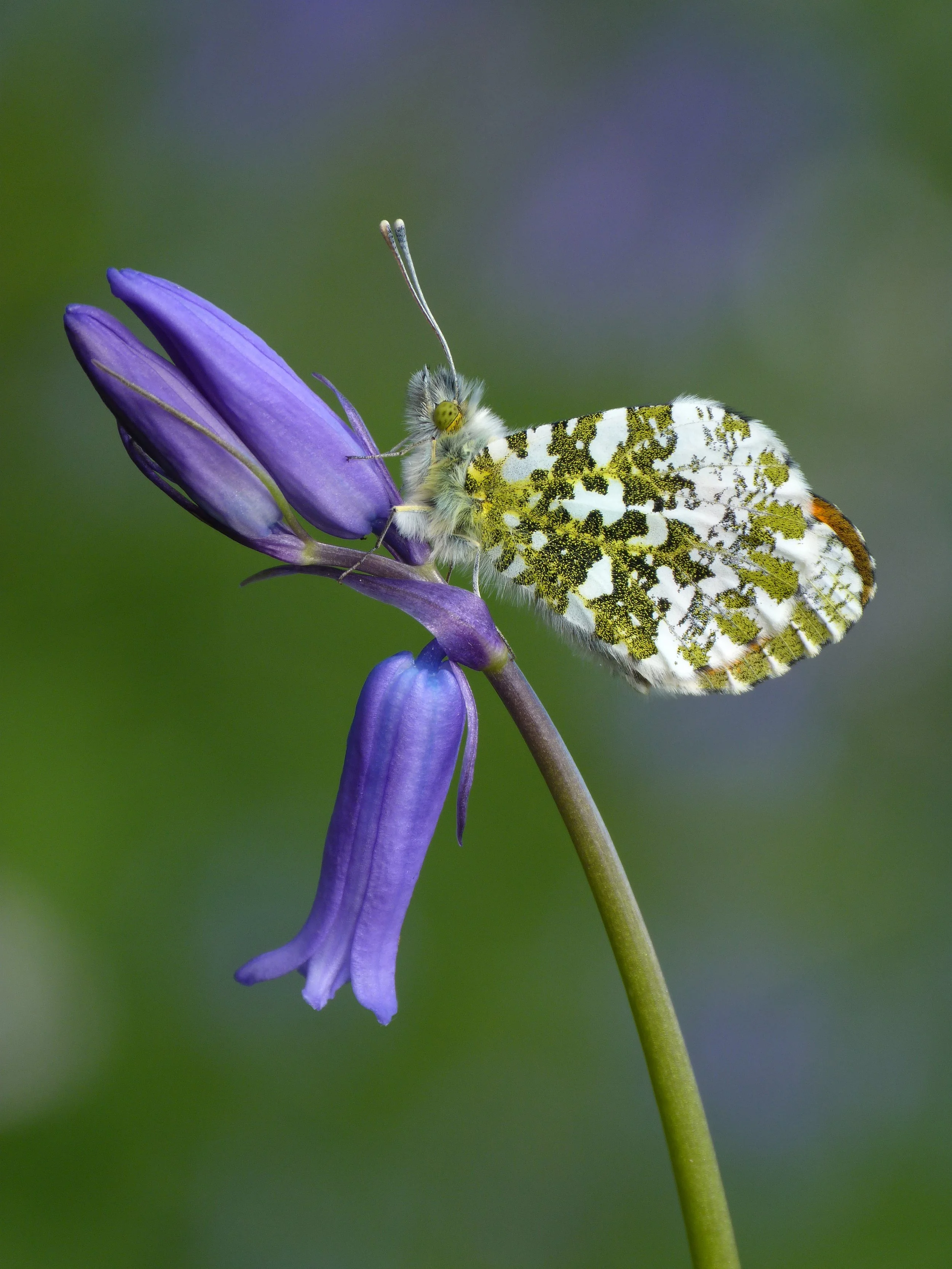
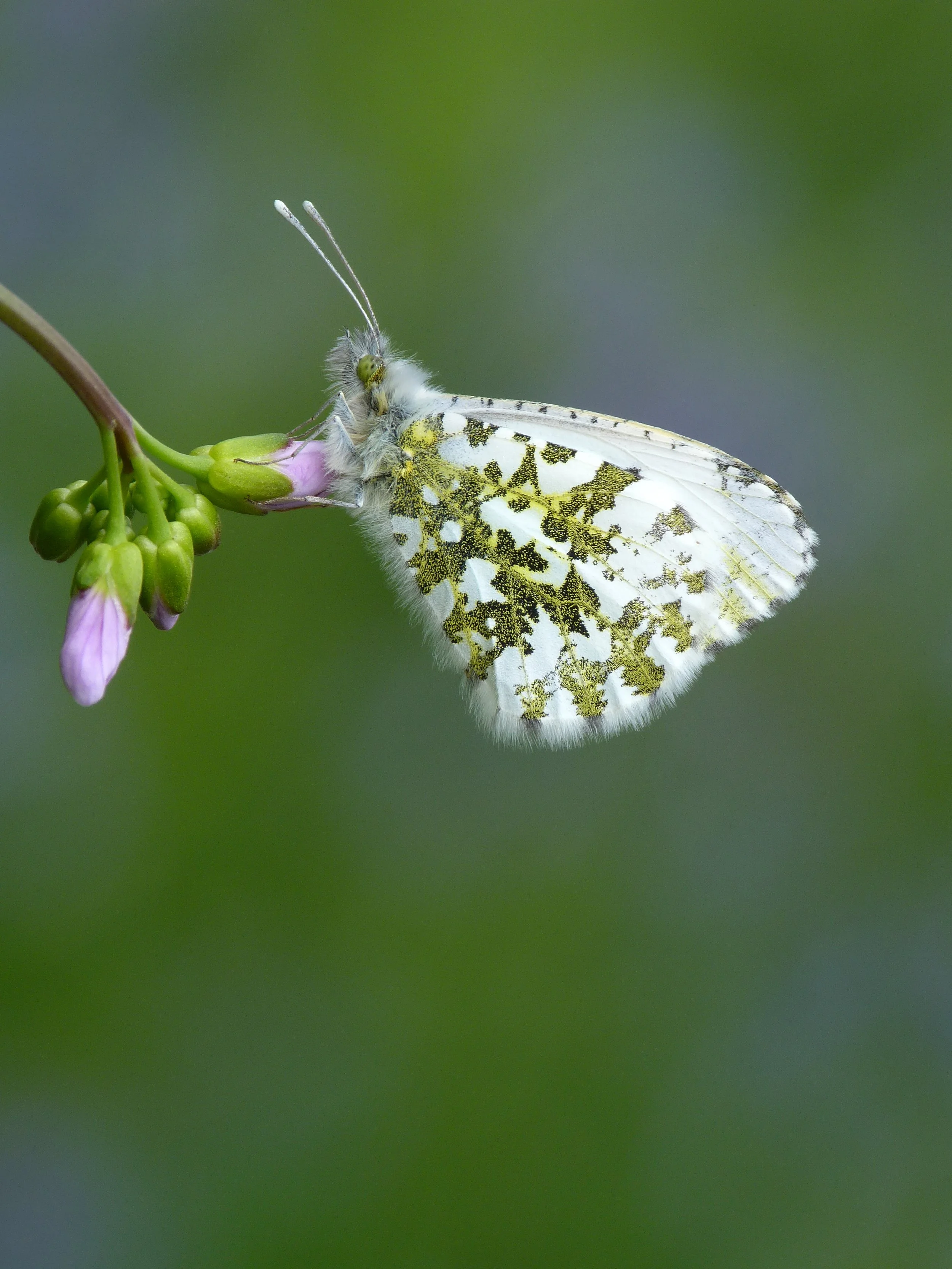
Along with the first Primrose, the arrival of the Orange-tip Anthocharis cardamines feels like a quiet confirmation that spring has taken hold. Unlike many early butterflies that overwinter as adults, this species emerges newly formed from its chrysalis, its timing finely tuned to increasing daylight and temperature. This synchrony is no accident, it ensures alignment with the brief flowering window of its larval food plants, a delicate ecological partnership written into its life cycle.
The contrast between the sexes is striking. The male, unmistakable, bears vivid orange tips on his forewings, flashes of colour that serve both as identification and signal. The female, lacking these markings, is more easily overlooked and often mistaken for other whites such as Pieris napi, Pieris rapae, or Leptidea sinapis. Yet her subtler beauty reveals itself on closer inspection, particularly in the green-mottled underside that offers camouflage among spring vegetation.
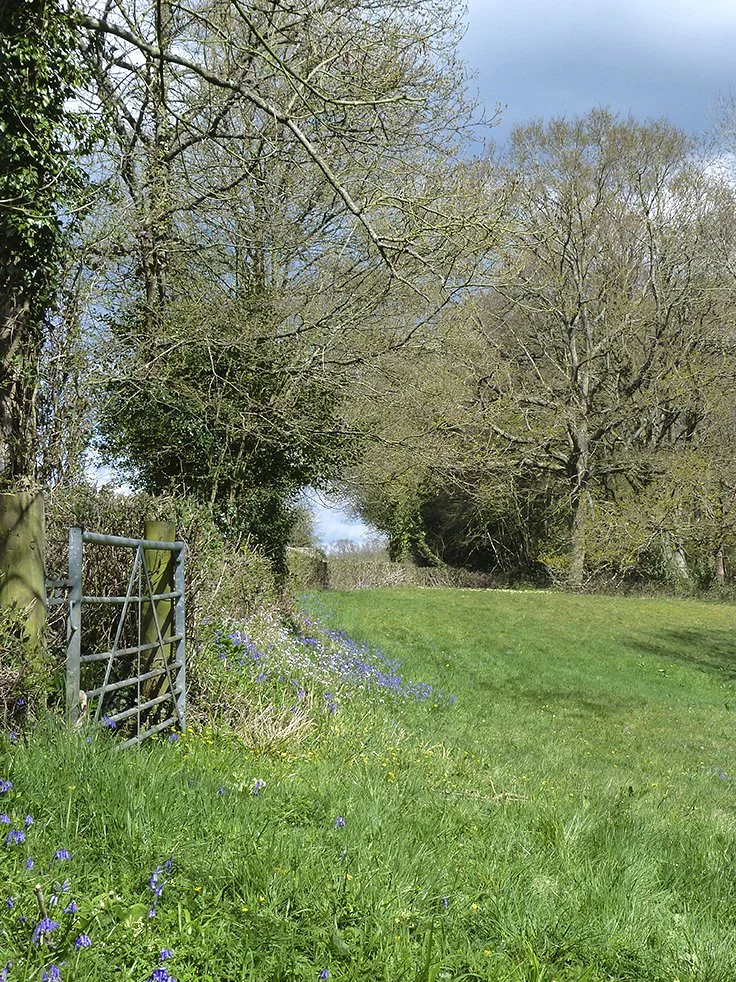
This beautiful species is widespread across England, Wales, and Ireland, becoming more localised further north, especially in Scotland. It occupies a range of habitats including hedgerows, woodland margins, riverbanks, and damp meadows, where its key larval food plants, Cuckooflower Cardamine pratensis and Garlic Mustard Alliaria petiolata, can be found. These environments provide not just nourishment, but the precise ecological conditions required for successful reproduction.
Rather than forming dense colonies, the Orange-tip exists as a more dispersed presence across the landscape. The male, in particular, seems almost restlessly mobile, patrolling hedgerows and woodland edges in search of mates and nectar. His wandering flight, light yet purposeful, reflects a life shaped by opportunity and timing, a fleeting but essential thread in the unfolding tapestry of spring.
References:
https://www.ukbutterflies.co.uk/species.php?species=cardamines [Accessed, 4th April 2026].