
Come dine with me …
As with most insects, butterflies do the majority of their growing and eating during the larval stage. Nevertheless, the adults still require nutrition.

Little brown jobs …
There were just fourteen records for Cortinarius pratensis listed on the FRDBI database [February, 2018]. The attached specimens were located in a West Sussex sand dune system during a detailed search of the area in December 2017.

Flea’s Ear
Although Chlorencoelia versiformis is regarded as a rare saprotroph fungus with a restricted range on decaying wood of broadleaved species, I have located a number colonies over the last 10 years or so.

New beginnings …
As mentioned in my post of 11th June 2016, Lair of palaemon, the area that the Chequered Skipper, Carterocephalus palaemon inhabits is notable for its climate, warm and wet, with a long growing season and one of the highest rainfalls in Britain. Both are important to the larvae and the range of palaemon coincides closely with that of this climate.

Lair of palaemon …
One thing that Peter Eeles makes you realise is that finding the impossible is possible; it just takes dedication, patience and hard work - with good eyesight being an added bonus. Although I have not managed to find as much time as I would like to have done, I have been very fortunate to have visited Scotland on a number of occasions during the last two seasons [2015 and 2016]. My target, with Pete’s guidance, was all stages of the beautiful and enigmatic Chequered Skipper, Carterocephalus palaemon.

Uibhist a Tuath
The Corncrake, Crex crex is one of the country’s rarest breeding birds. It remains vulnerable in Scotland with counts showing their numbers are largely static following recent declines from a high in 2014, RSPB Scotland has warned.
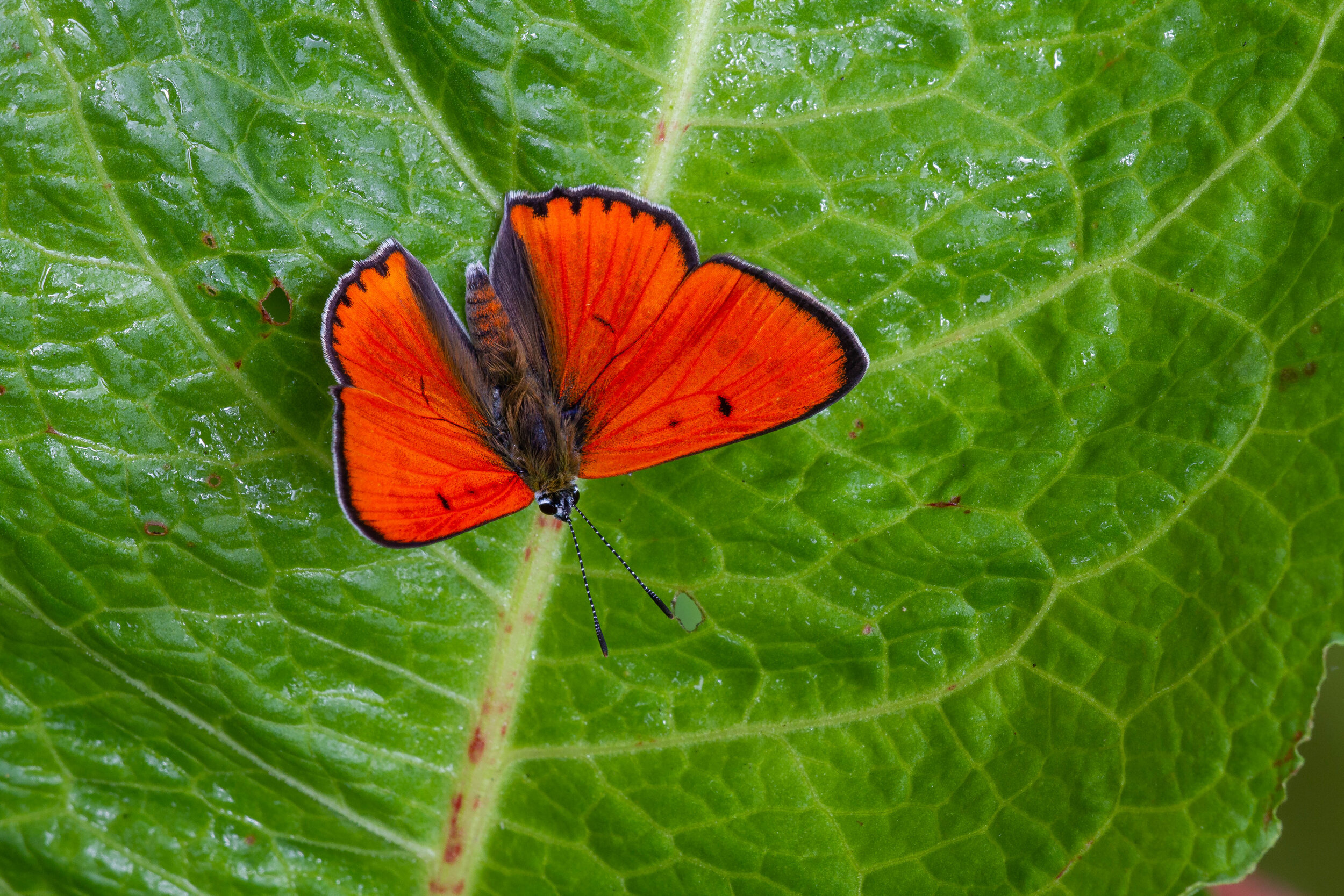
Extinction and hope …
It is too easy to solely blame collecting for the demise of the Large Copper Lycaena dispar ssp. dispar in Britain; although the irresponsible actions of some early collectors undoubtedly played a very important part in the loss of the subspecies that was endemic to the British Isles.
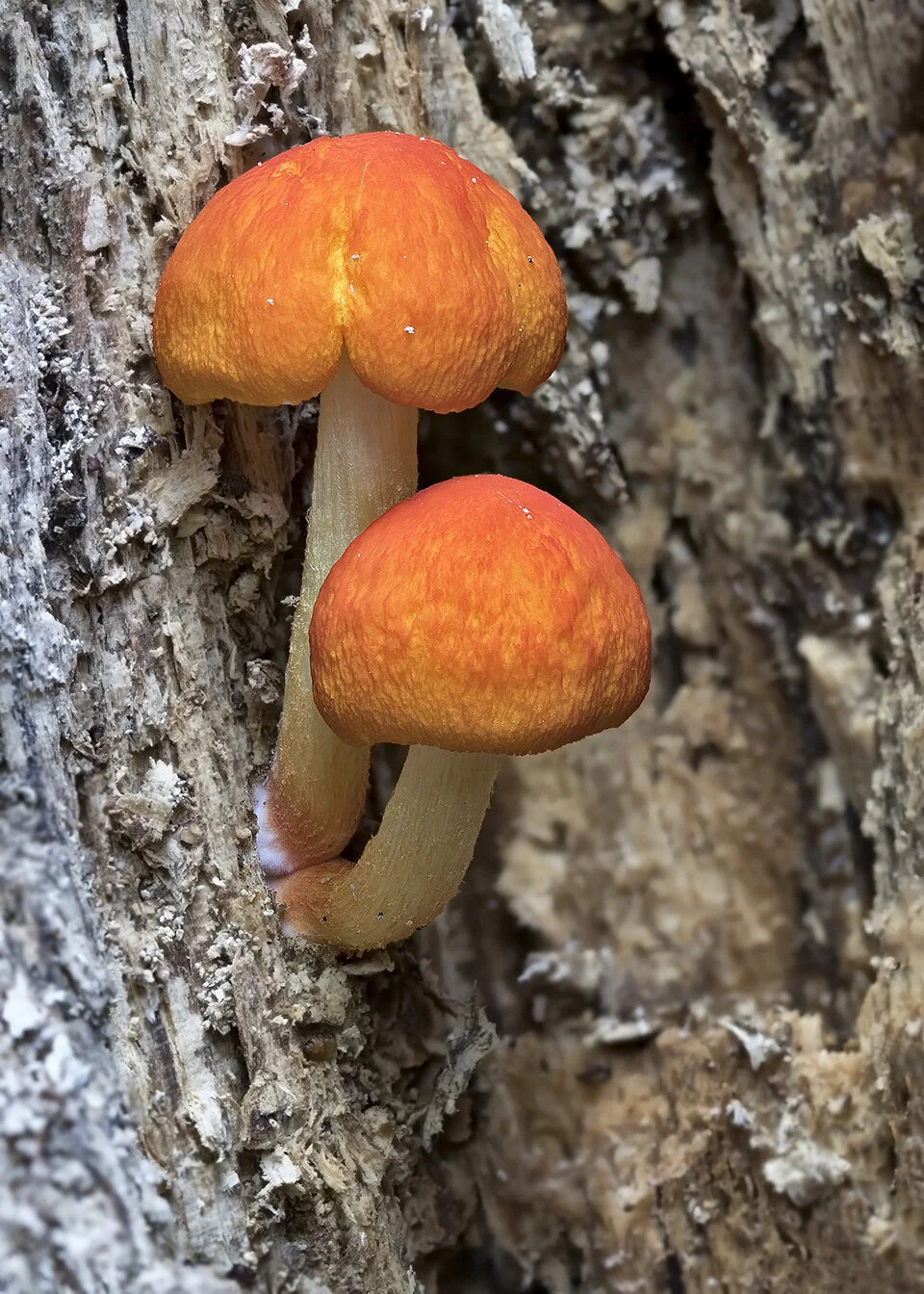
Flames without fire …
In Britain, the Flame Shield, Pluteus aurantiorugosus is an uncommon find and is primarily restricted to southern England and south Wales. It occurs mainly on rotting broadleaf stumps and large logs of buried hardwood timber.

Close Encounters of the Purple Kind …
The Purple Emperor, Apatura iris is a magnificent and sometimes elusive insect that is actively sought out by the many subjects of ‘His Imperial Majesty’, as the male butterfly is affectionately known. To say that some observers reach a state of obsession is an understatement with many followers making annual pilgrimages to see this species.

Loch Fada na Gearrachun …
The Short-eared Owl, Asio flammeus is a scarce winter visitor and passage migrant to my home county of Sussex. Wintering birds are found mainly on the coastal plain, especially around Chichester and Pagham Harbours, on the Pevensey Levels and at Rye Harbour. They also occur in smaller numbers on the Downs and in the river valleys of the Adur, Arun and Ouse.

Gale Force Nun …
The Greater Butterfly Orchid, Platanthera chlorantha is a distinctive orchid of hay meadows, open scrub, grassland and ancient woodlands, especially along rides, in clearings and along woodland edges.

Hair today, gone tomorrow …
Unless you live in Brighton of course, where the national collection is housed, elm has nowadays become a somewhat rare component of the British countryside, mainly due to the devastating effects of Dutch elm disease (DED) - one of the most serious arboricultural diseases in the world.

Mountain Hare …
There is something rather magical about lying in recently settled snow high on the slopes of the Cairngorms, whilst sharing that space with Mountain Hares. It allows for a moment of reflection, leaving you feeling (albeit for a moment) in tune with the natural world.

Greenstreaks …
The Green Hairstreak is the most widespread of all the British hairstreaks. However, it is also a local species, forming colonies which can be as small as a few dozen individuals, although larger colonies exist.

New House, Lockdown, New Website …
It's taken longer than originally planned but this week saw the launch of my new website and blog!
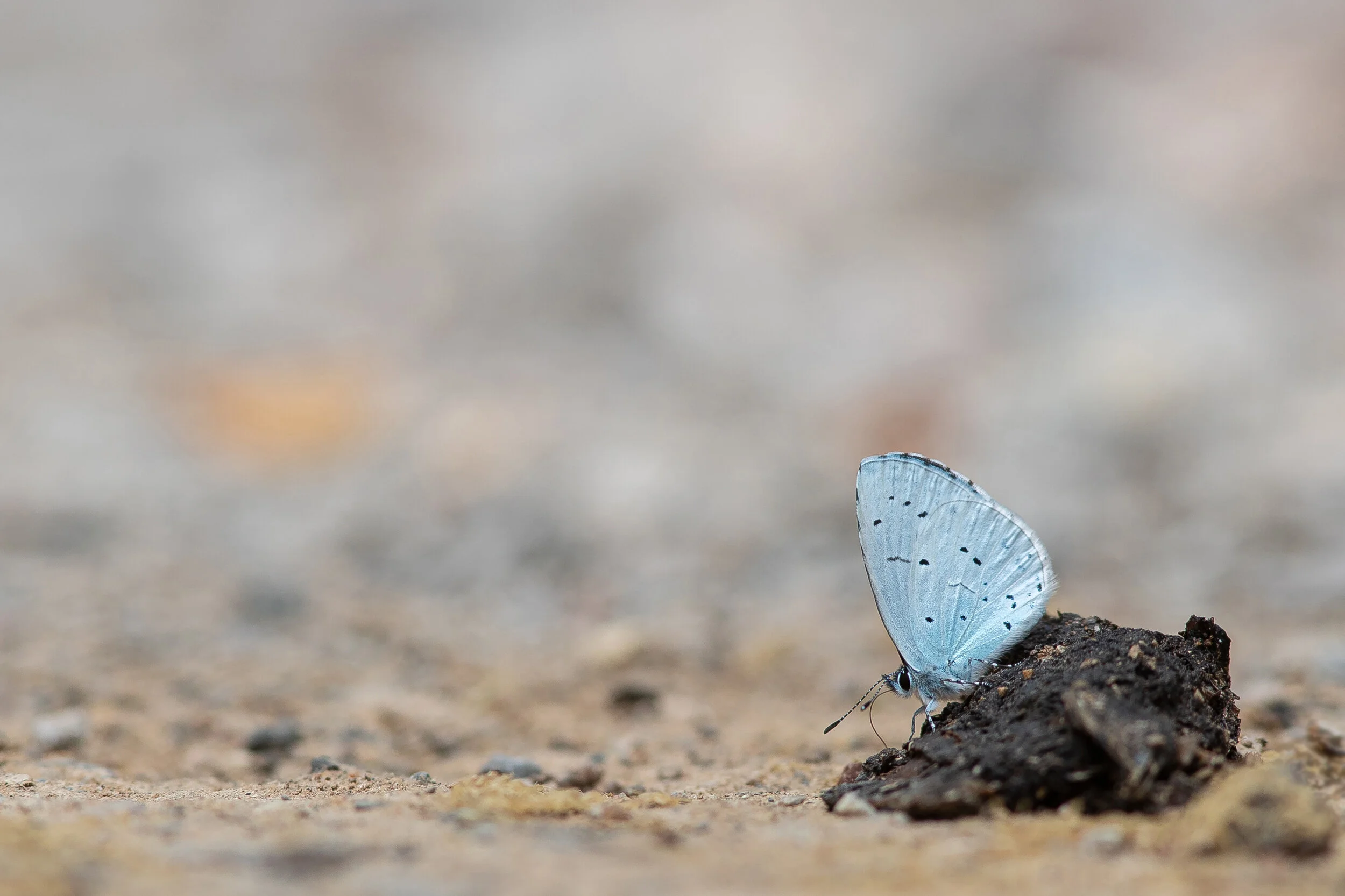
Come dine with me …
As with most insects, butterflies do the majority of their growing and eating during the larval stage. Nevertheless, the adults still require nutrition.
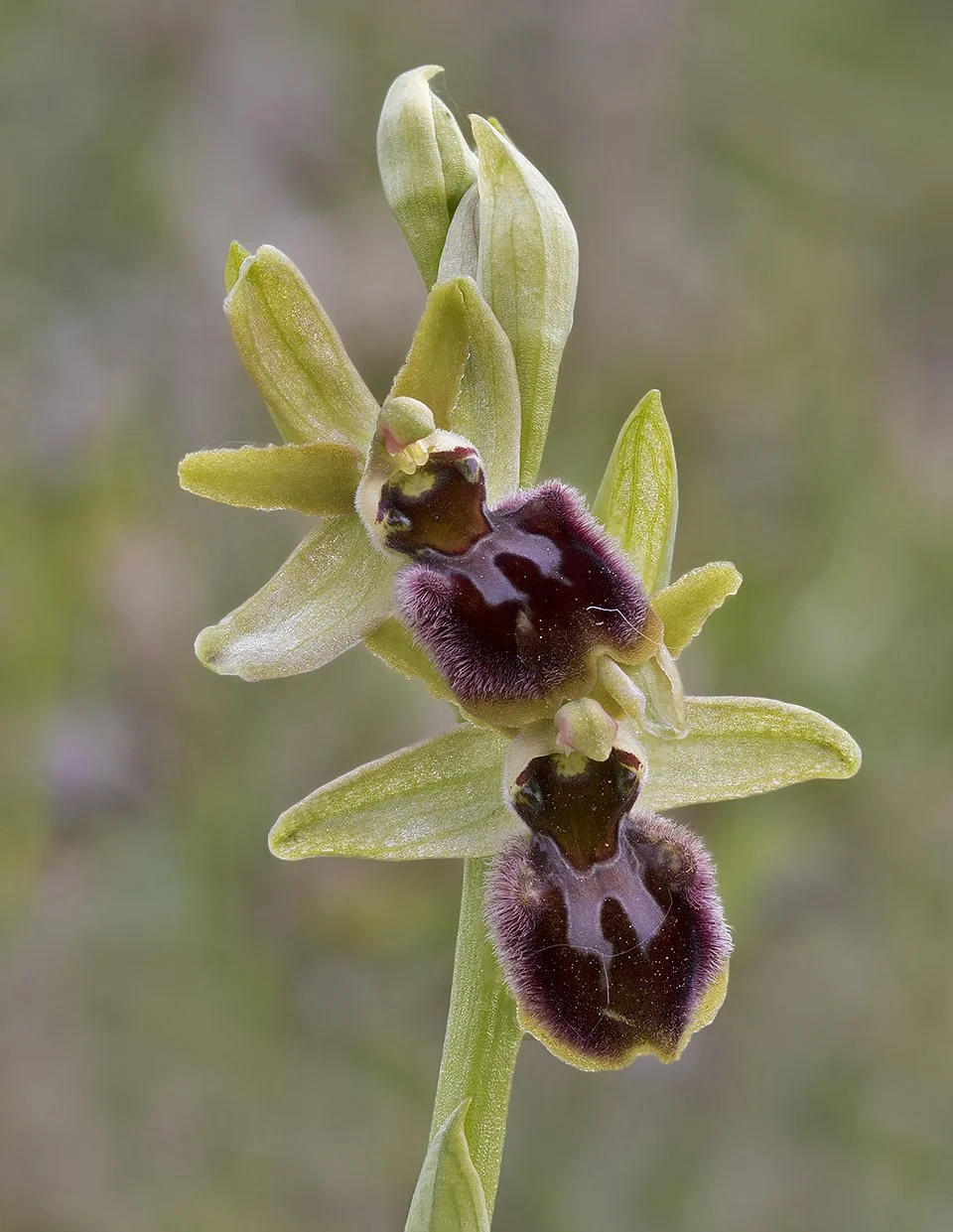
Arachnophobia
The Early Spider-orchid Ophrys sphegodes is a local and uncommon species. However, in the limited areas where it can be found, including the coastal regions of southern England, especially Kent, Sussex and Dorset, populations can be quite substantial.

Piggyback
Fairly widespread but uncommon throughout Britain and Ireland, because of their diminutive size and behaviour of fruiting within decaying fungi that themselves are unlikely to grab the attention, Asterophora lycoperdoides, the Powdery Piggyback, and A. parasitica, the Silky Piggyback, are easily overlooked.

Mycena seynii …
M. seynesii (seynii) is a rarely recorded, small to medium sized, chestnut-brown to purplish-brown Mycena.

Beauty in many forms …
The Bearded Tooth, Hericium erinaceus is surely one of the most striking and beautiful of all British woodland fungi.

Autumn equinox …
As the season changes from summer to autumn, the days shorten, the temperature drops and the sun rests low in the sky. It is a time of year that I particularly like as the trees start to whisper to one another in the breeze, and their leaves turn from green to many shades of gold. It is of course not only the trees that provide this multitude of colour.