Twitch!
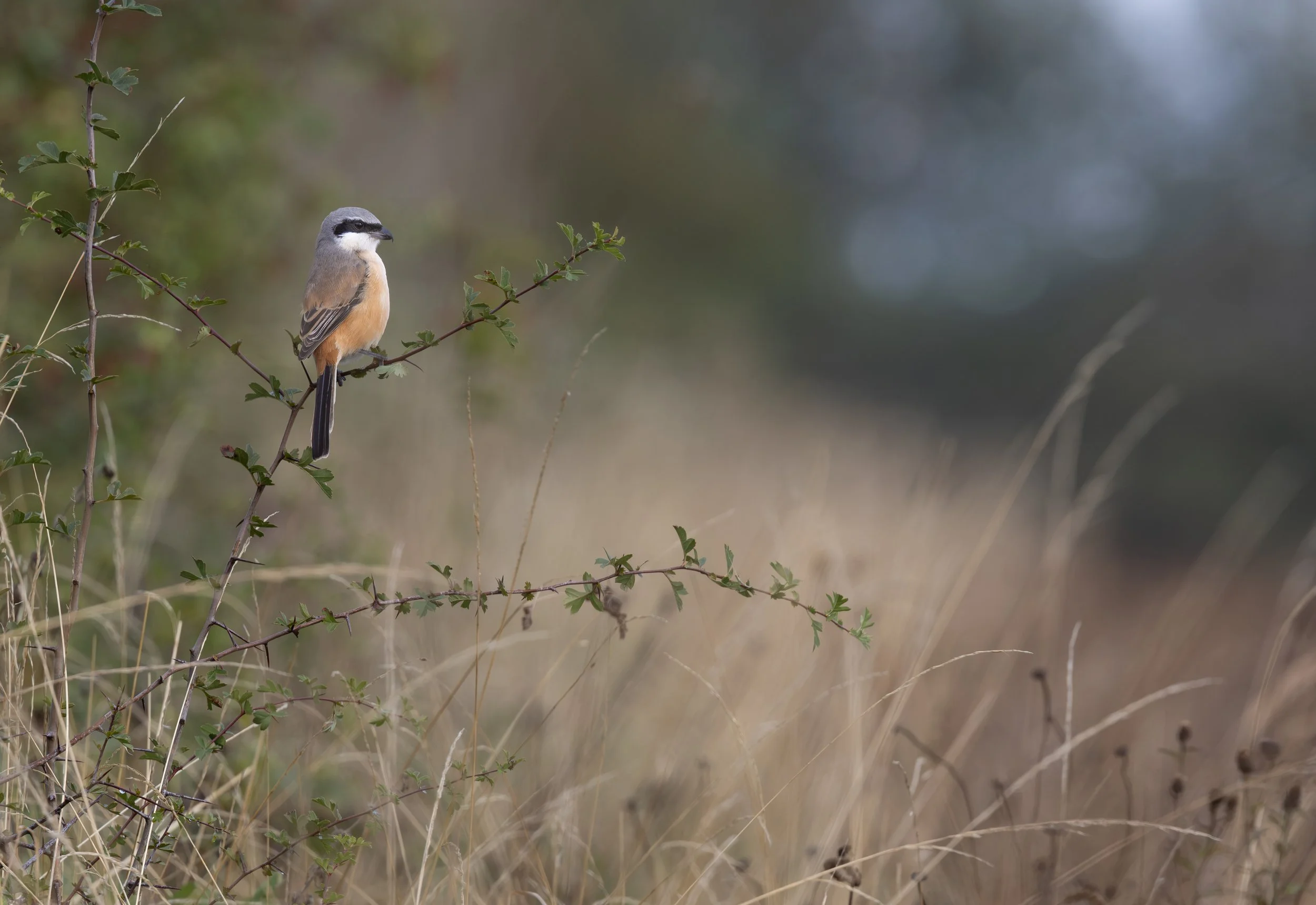
The Long-tailed Shrike Lanius schach is predominantly an Asian species, with a broad distribution stretching across Central, South and East Asia. In Britain, by contrast, it has always been a bird of almost legendary rarity. Until 2026, it was known from just a single accepted occurrence, placing it among the most coveted birds on the British List.
Britain’s first Long-tailed Shrike was a first-winter bird discovered at Howmore, South Uist, Outer Hebrides, on 3rd–4th November 2000. A shrike reported at nearby Howbeg on 27th October was probably the same individual. The record was subsequently accepted by the British Ornithologists’ Union Records Committee, and the species was added to Category A of the British List.
Then came a silence lasting 25 years. No further Long-tailed Shrikes were recorded in Britain, and the species settled ever more firmly as one of the country’s great rarities. For a generation of birders, it became one of those birds spoken of with a mixture of fascination and resignation, a species that seemed to belong more to dreams and distant horizons than to the British landscape.
That remarkable run finally ended in July 2026. On 5th July, a Long-tailed Shrike was discovered near Crail, Fife. Initially considered possibly a Lesser Grey Shrike Lanius minor, its identification was subsequently established through photographs and further observations. The first-summer male remained until 8th July, drawing hundreds of birders and becoming only the second recorded occurrence in Britain.
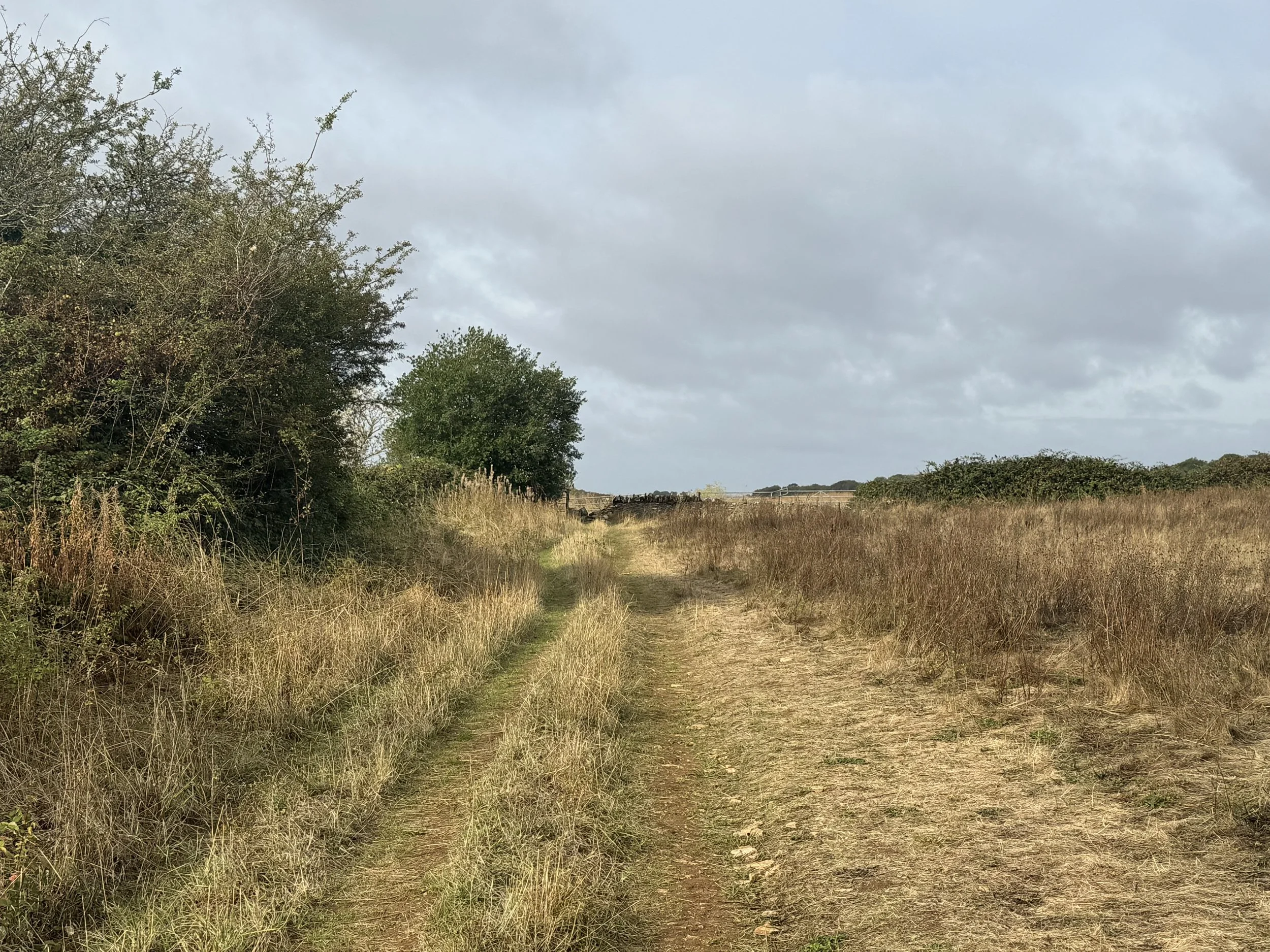
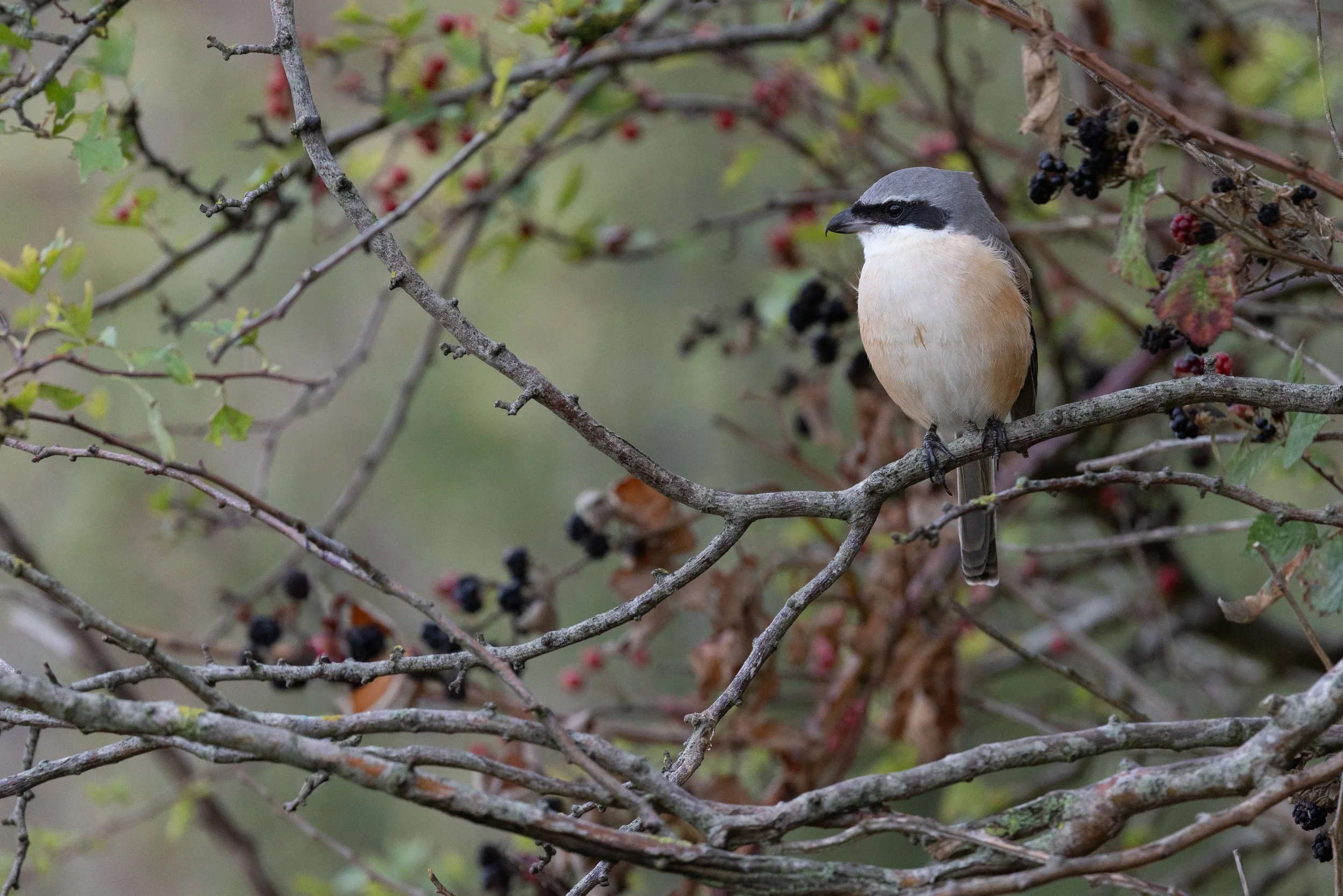
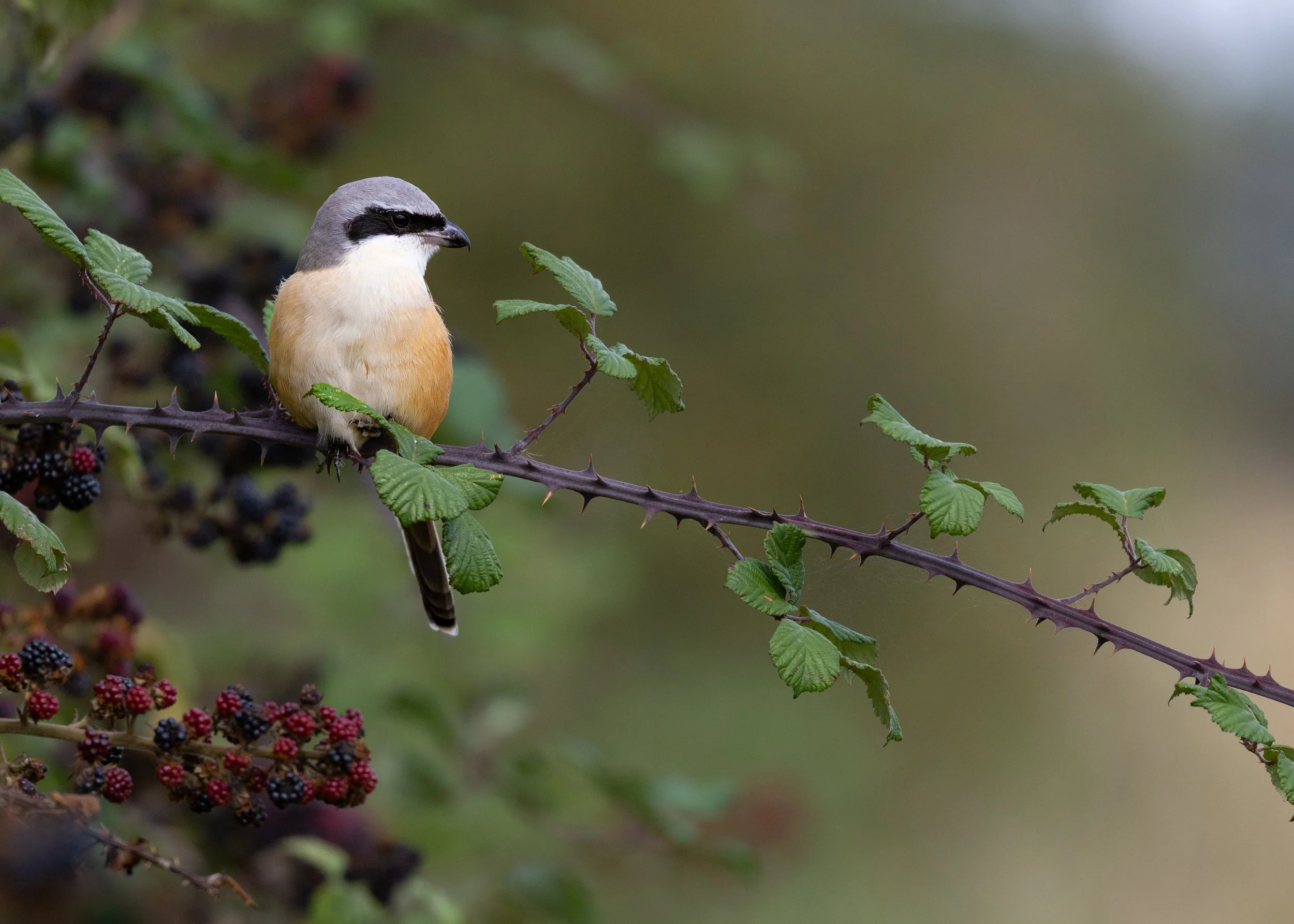
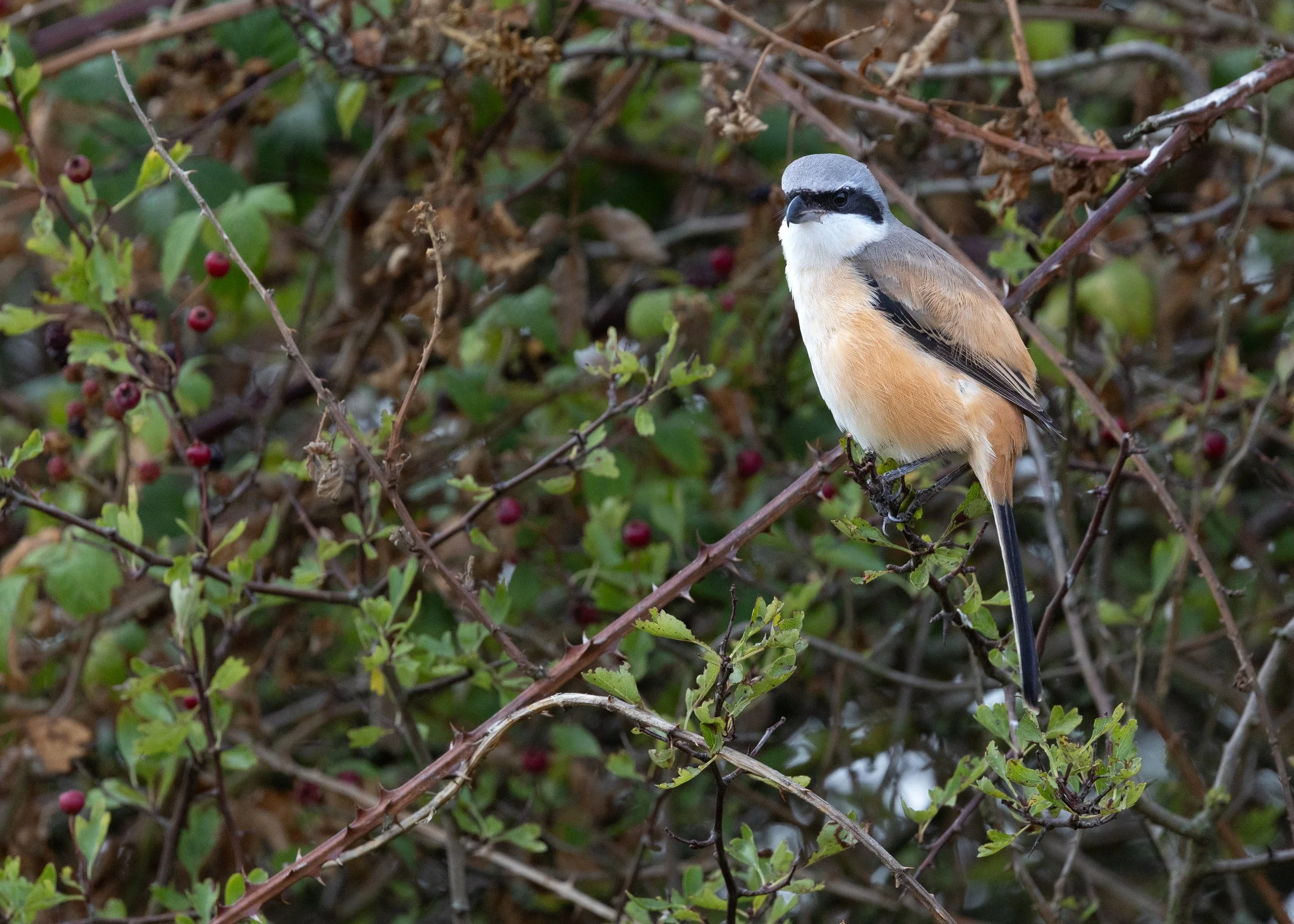
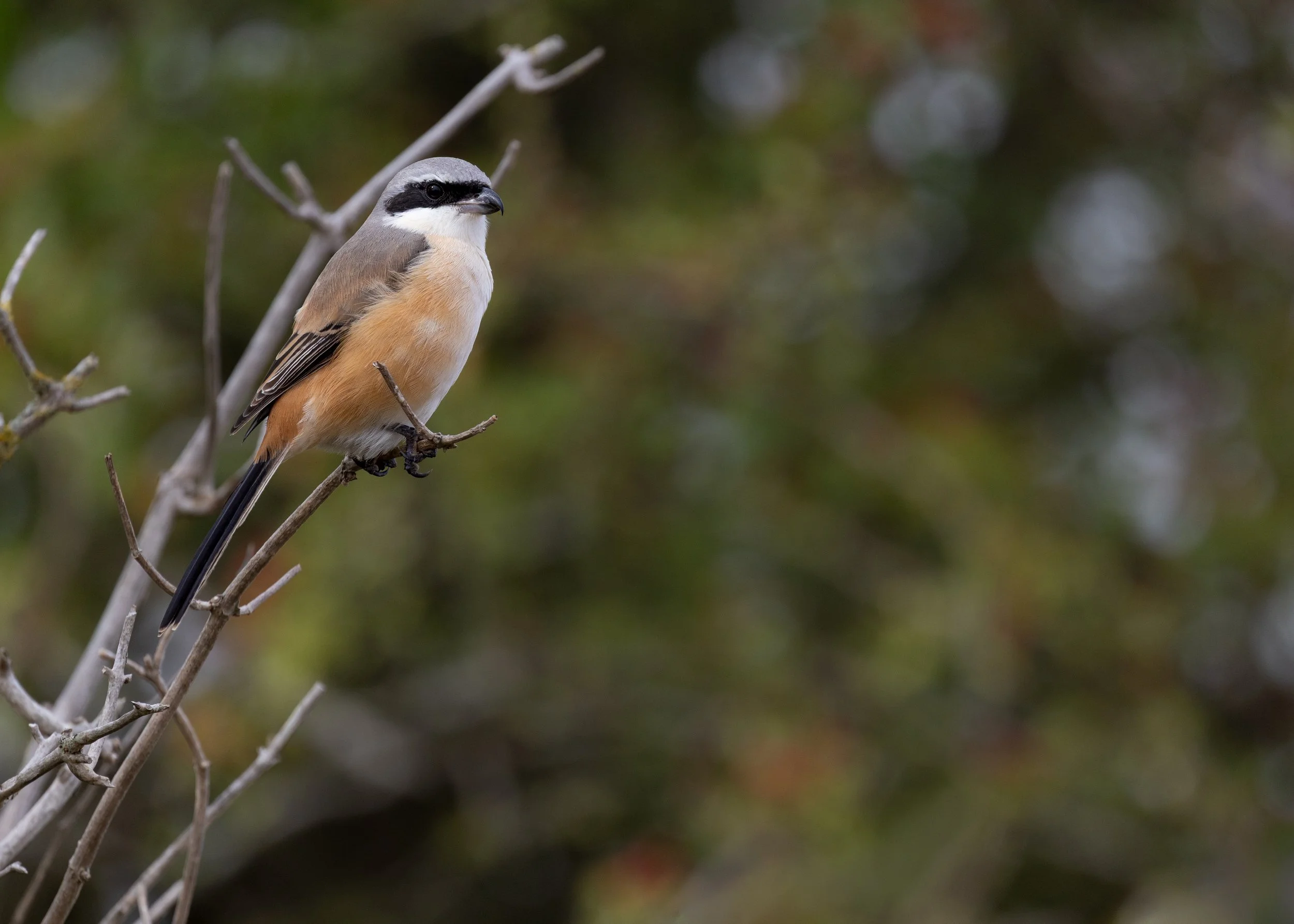
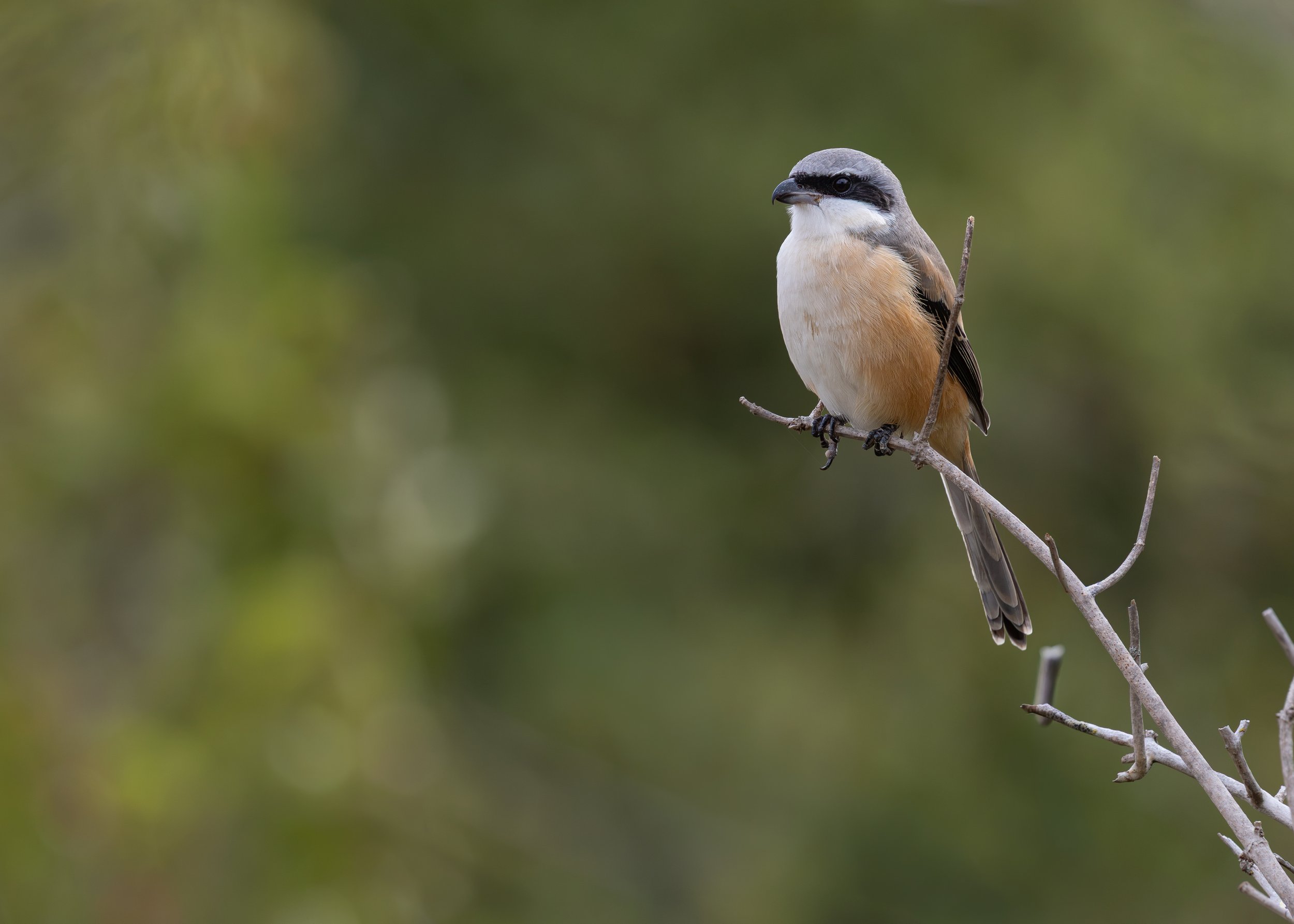
Yet, astonishingly, the story was already unfolding elsewhere. A second bird had been present near Eastleach Martin, close to the Gloucestershire/Oxfordshire border, from at least 8th July. Initially documented photographically, it was relocated on 19th July after apparently passing unnoticed. The Eastleach bird was demonstrably different from the Crail individual. Their dates overlapped, while differences in plumage and other features confirmed that they were separate birds. The Eastleach record therefore represents a third British occurrence, rather than an extension of the Fife record.
The Eastleach bird has proved exceptionally long-staying, remaining throughout August and continuing to be reported into September. Its prolonged presence has given British birders an unprecedented opportunity to study the species at close range and in an accessible setting. In doing so, it has offered a striking contrast to the circumstances of Britain’s first Long-tailed Shrike: that solitary bird, discovered on the remote shores of South Uist, more than a quarter of a century ago.
The arrival of two Long-tailed Shrikes within days has transformed the species’ British status almost beyond recognition: from a bird known from a solitary occurrence in 2000 to one represented by three accepted occurrences within a single summer. For a species that had remained almost mythical among British birders for 25 years, the events of July 2026 were nothing short of extraordinary - a remarkable moment when, after a quarter of a century in the shadows, the Long-tailed Shrike suddenly appeared not once, but twice, upon the British landscape.
References:
British Ornithologists' Union Records Committee (2005). British Ornithologists’ Union Records Committee: 31st Report (October 2004). Ibis, 147: 246-250. https://doi.org/10.1111/j.1474-919x.2005.00394 [Accessed, 5th September 2026].
McInerny, C.J., Batty, A., et al. (2022). The British List: A Checklist of Birds of Britain (10th edition). Ibis. The British List
Rare Bird Alert. https://www.rarebirdalert.co.uk/v2/Content/WeeklyRoundup2026_29.aspx?s_id=515266031 [Accessed, 5th September 2026]
The Courier (2026). Rare bird sparks frenzy as hundreds flock to Fife for ‘once-in-a-generation’ opportunity. The Courier, July 2026 [Accessed, 5th September 2026].