Spirit of the oakwood …
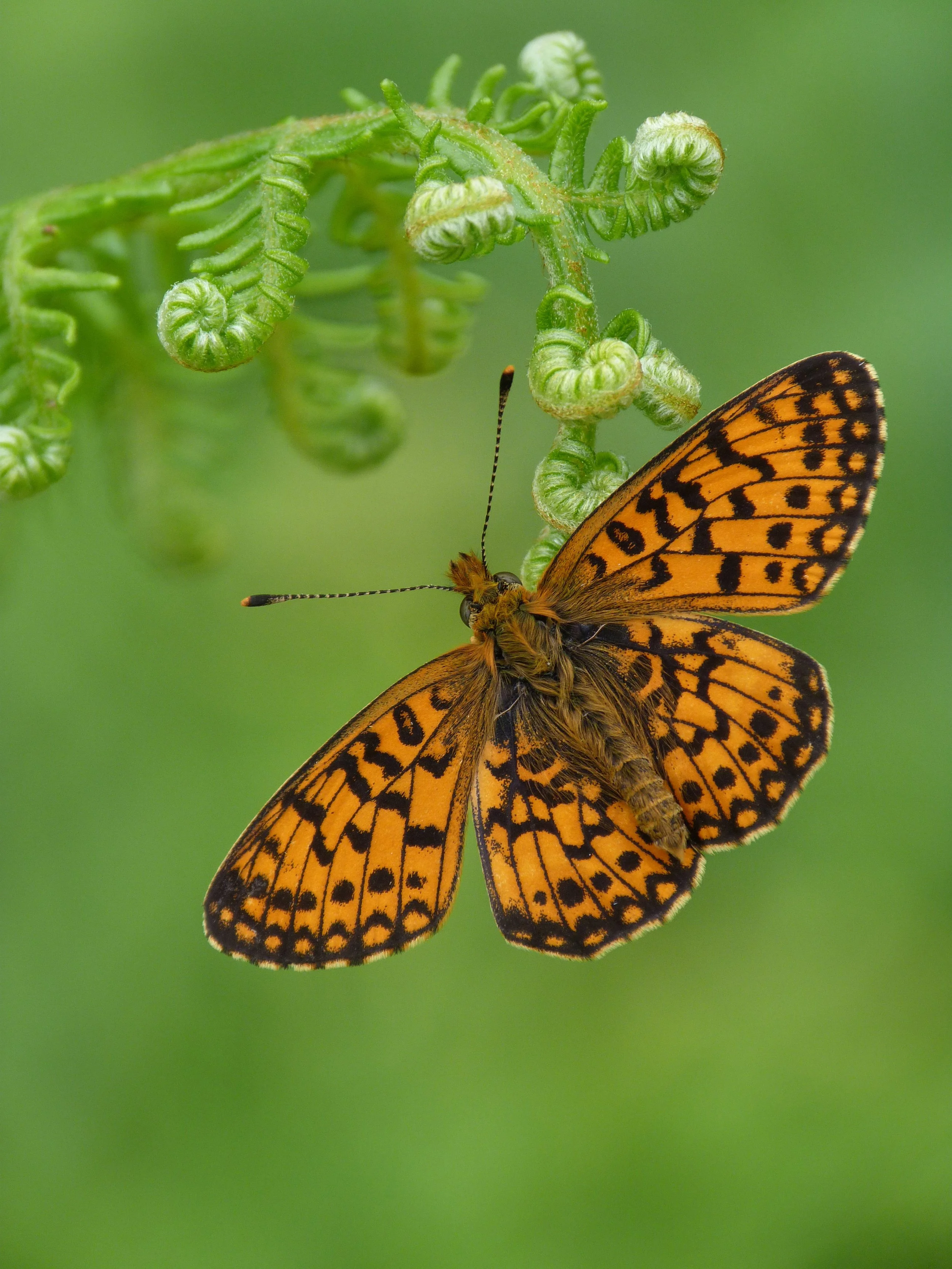
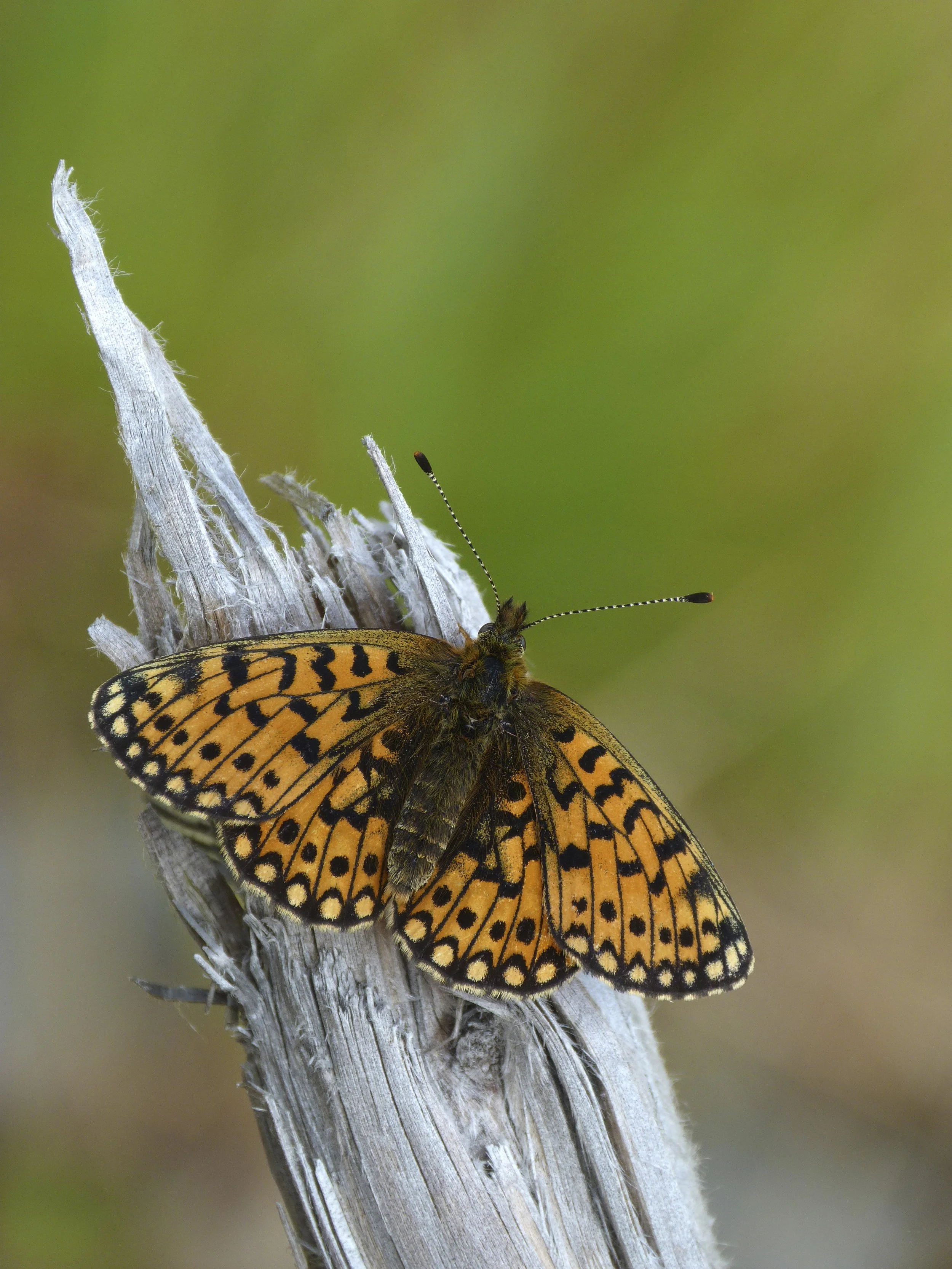
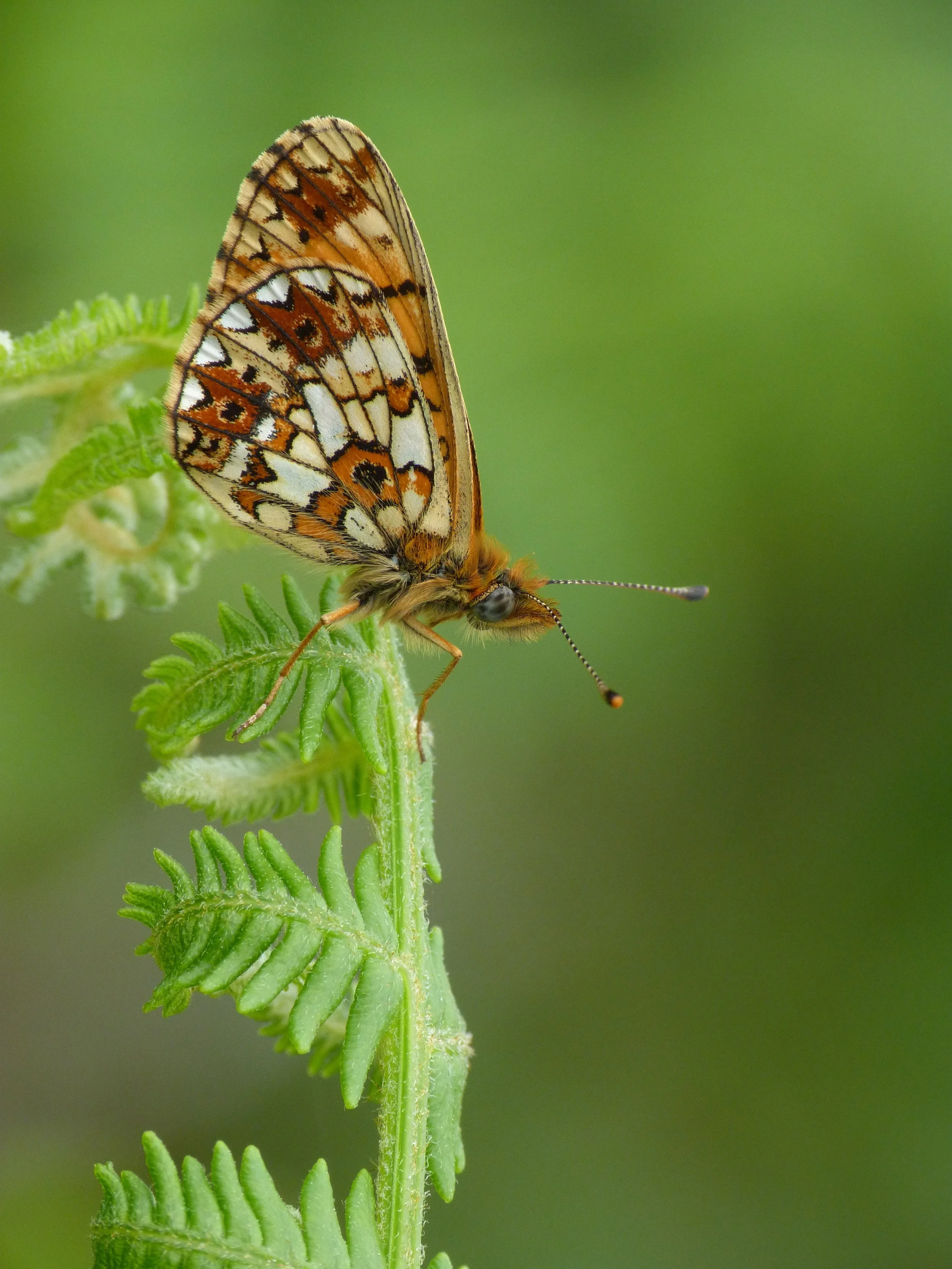
A visit to the Ardnamurchan Peninsula is a pleasure at any time of year, but in early June the peninsula seems to acquire a quiet enchantment of its own. At this time the woods, rivers and clearings come alive with subtle movement, and nowhere is this more apparent than at Ariundle National Nature Reserve, a hidden jewel set within the wild beauty of the western Highlands. Here, beside the clear waters of the River Strontian, one may encounter one of the reserve’s most delicate inhabitants, the Small Pearl-bordered Fritillary Boloria selene.
To watch this butterfly in such a place is to witness the quiet elegance of nature at work. Patrolling males fly only a short distance above the ground, their flight characterised by brief bursts of rapid wingbeats followed by gentle glides. Moving through the dappled light of woodland clearings and along the river margins, they search patiently for freshly emerged females concealed amongst the vegetation. In the stillness of Ariundle’s ancient woodland, where moss-covered stones, soft light and the murmur of flowing water shape the landscape, the presence of these small, coppery butterflies adds a fleeting yet captivating touch of life to the early summer air.
The strongholds of B. selene are located throughout much of Scotland and Wales, and in the north-western and south-western counties of England with scattered colonies elsewhere. It is absent from the Outer Hebrides, Orkney, Shetland, Ireland, the Isle of Man and the Channel Islands. The adult insect first emerges in south-west England, where it may be seen from the beginning of May. It emerges in the second half of May in other parts of England and generally does not make an appearance in Scotland until early June. The early emergence of the species in south-west England often gives rise to a partial second brood, which appears there in August.
In my home county of Sussex, the summer of 1976 is remembered both for its exceptional heat and for the remarkable abundance of B. selene and Pearl-bordered Fritillary B. euphrosyne in local woodlands. Both species occurred in large numbers and appeared to be firmly established, yet this apparent stability was not sustained. The final confirmed record of the Small Pearl-bordered Fritillary in Sussex was on 29th June 2013, after which the species was considered locally extinct within the county.
Although the two fritillaries historically occupied similar habitats and were often seen flying together, changes in climate and habitat condition are thought to have reduced this overlap and contributed to the decline, particularly of B. selene, in southern England. A reintroduction programme began in June 2017, when more than 400 individuals were released at Park Corner Heath, Rowland Wood and Abbot’s Wood, with early indications of local establishment. Nevertheless, the period when this butterfly was widely distributed in suitable woodland habitats across Sussex is now part of the county’s natural history.
References:
Blencowe, M. and Hulme, N. (2017). The Butterflies of Sussex. Newbury, Berkshire: Pisces Publications on behalf of Butterfly Conservation (Sussex Branch), pp. 146-151.
www.ukbutterflies.co.uk/species.php?species=selene [Accessed, 15th March 2026].
www.ukbutterflies.co.uk/distribution.php?species=selene&style=distribution [Accessed, 15th March 2026].