Heddon pleasures ...
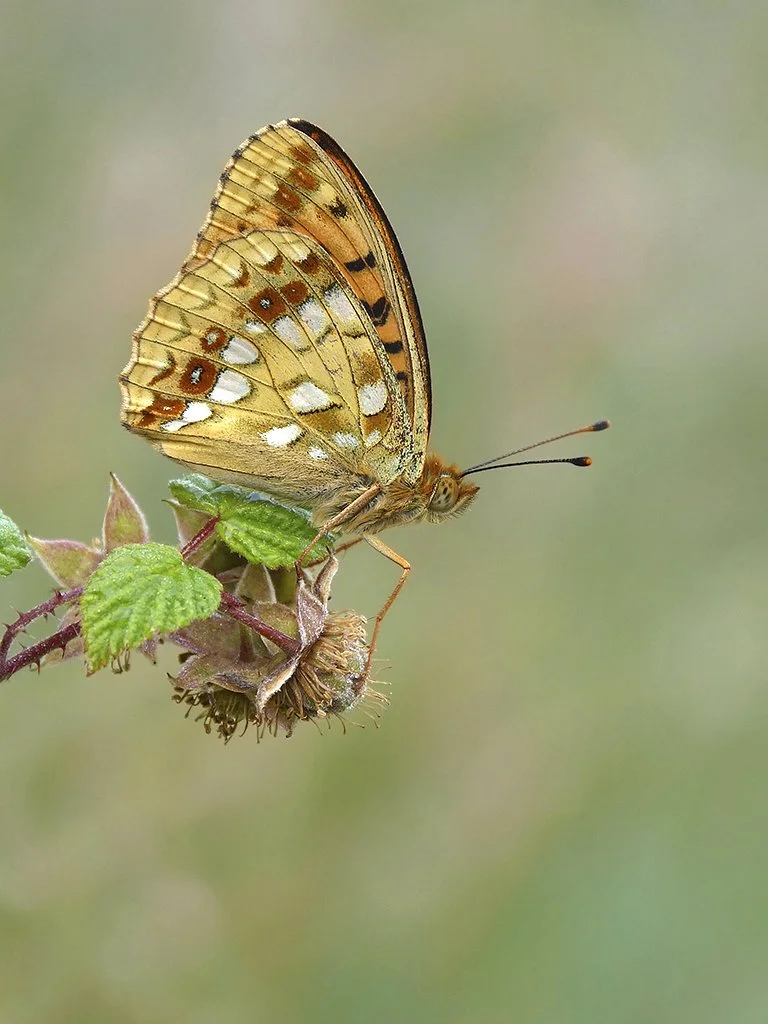
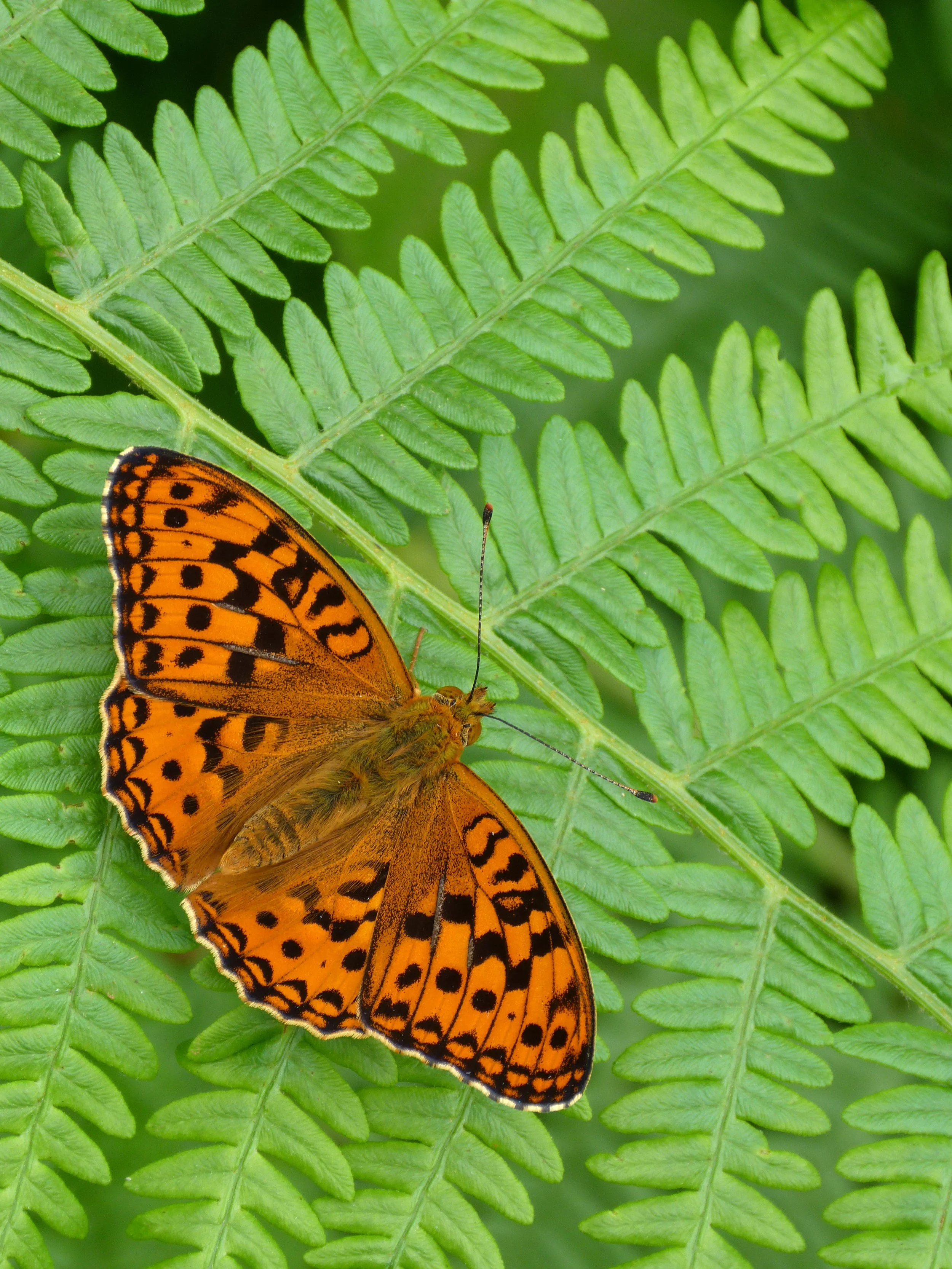
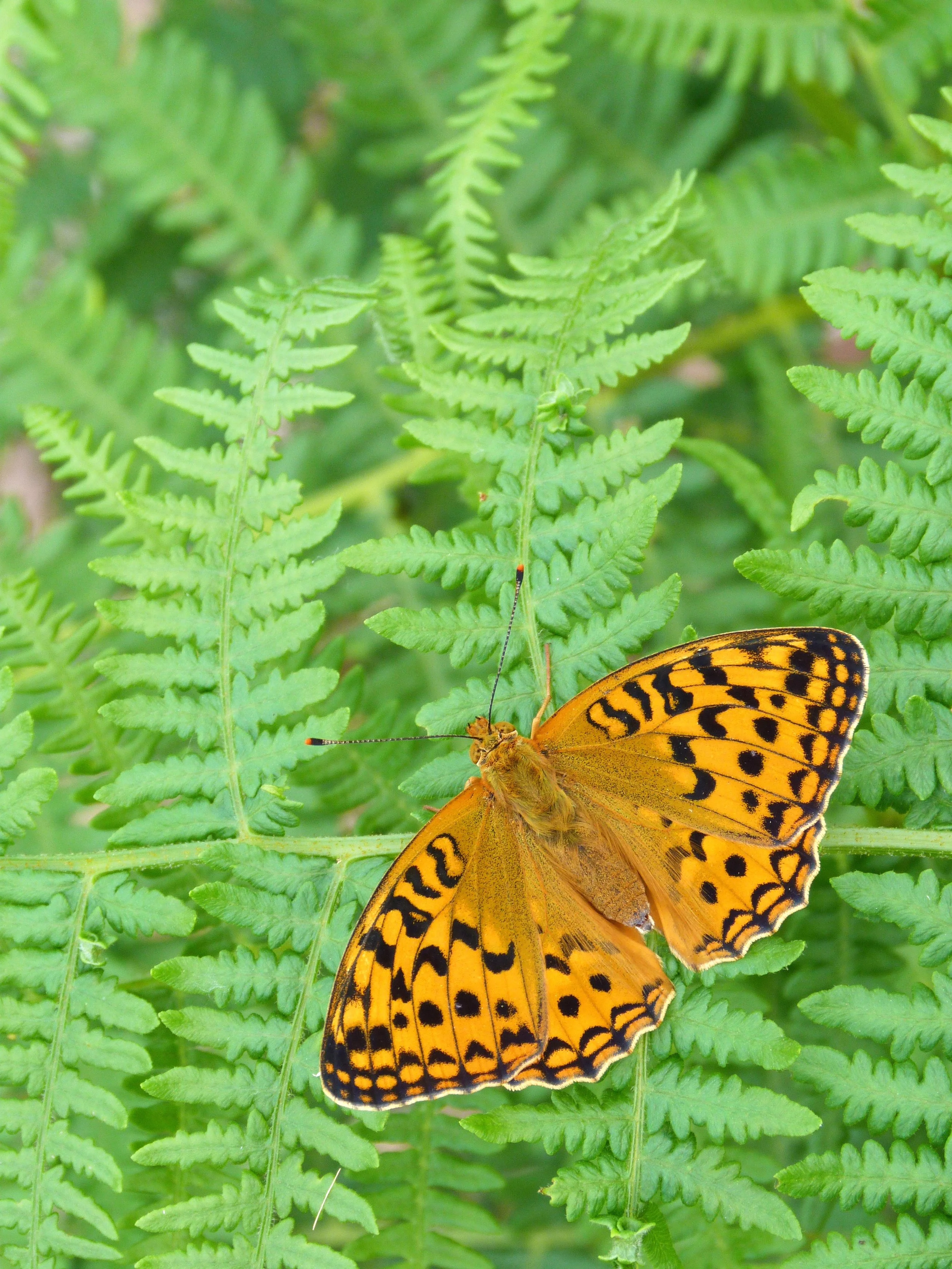
The Heddon Valley, situated in the north-western part of Exmoor, is a deep, well-wooded river valley descending to the cliffs and tidal edge of the Bristol Channel. It supports one of the strongest populations of the High Brown Fritillary Fabriciana adippe in the United Kingdom, with adults typically on the wing from mid-June to mid–late July.
F. adippe is a species of significant conservation concern due to its marked decline in the UK. Although some recovery has occurred at sites under targeted management, the High Brown Fritillary remains one of the country’s most threatened butterflies, having disappeared from over 94% of its former range since the 1970s. Contributing factors include habitat loss and fragmentation, the decline of traditional woodland coppicing (which creates suitable early-successional habitat), agricultural intensification, and reduced grazing and bracken management. Woodlands in East Sussex and West Sussex once supported major populations; however, the species has been extinct in West Sussex since at least 1986 and in East Sussex since 1987. Formerly widespread across southern, central, and north-west England, as well as parts of Wales, it is now restricted to a diminishing number of sites, including the Morecambe Bay region, parts of Devon (including Dartmoor), Exmoor, and a small number of localities in Glamorganshire such as the Alun Valley.
In the field, F. adippe may be confused with the closely related Dark Green Fritillary Speyeria aglaja particularly as the two species often occur together. Reliable identification is based on the underside of the hindwing: A. adippe shows a row of brown spots between the outer margin and the silver spangles, which are absent in S. aglaja. A less reliable distinction is overall ground colour, with F. adippe typically showing a more brown-toned underside, while S. aglaja appears greener. Positive identification is often only possible when individuals are at rest.
References:
Pratt, C. R. (2011). A Complete History of the Butterflies and Moths of Sussex. Peacehaven, East Sussex: Colin R. Pratt, 2, pp. 267-272.
https://www.ukbutterflies.co.uk/species.php?species=adippe [Accessed, 22nd March 2026].
https://www.ukbutterflies.co.uk/species.php?species=aglaja [Accessed, 22nd March 2026].