Dukes on the edge …
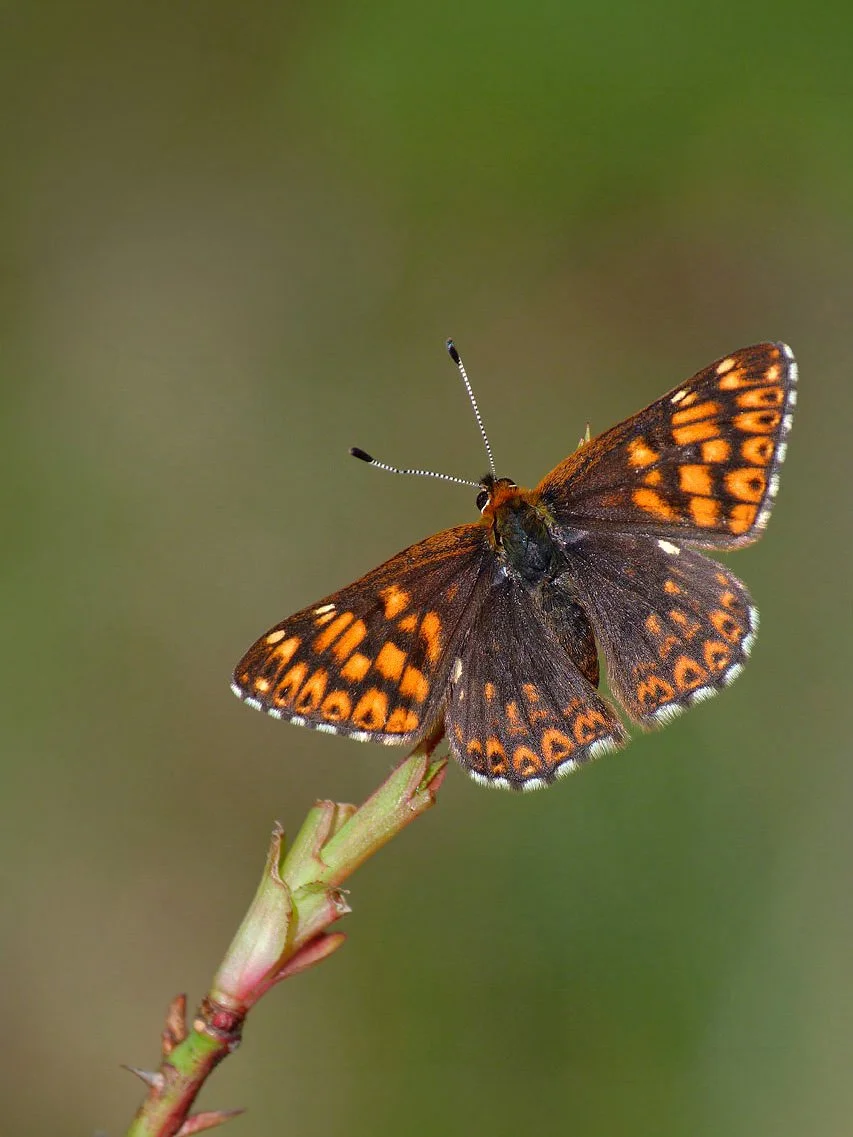
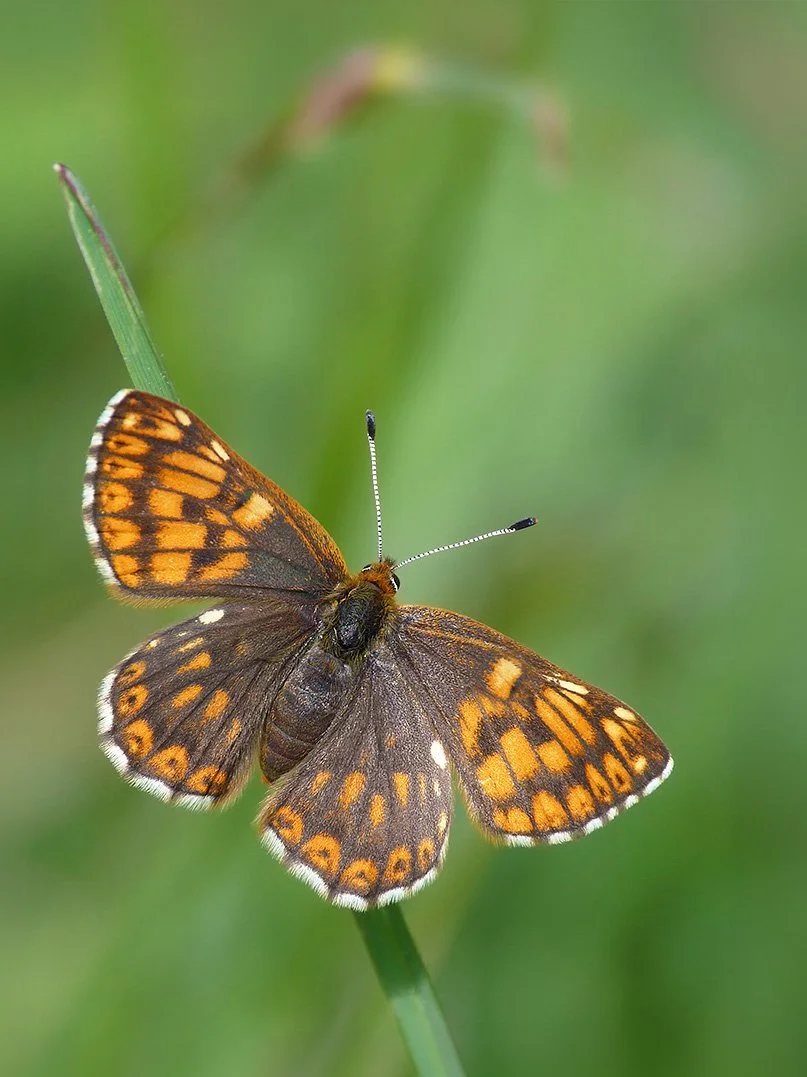
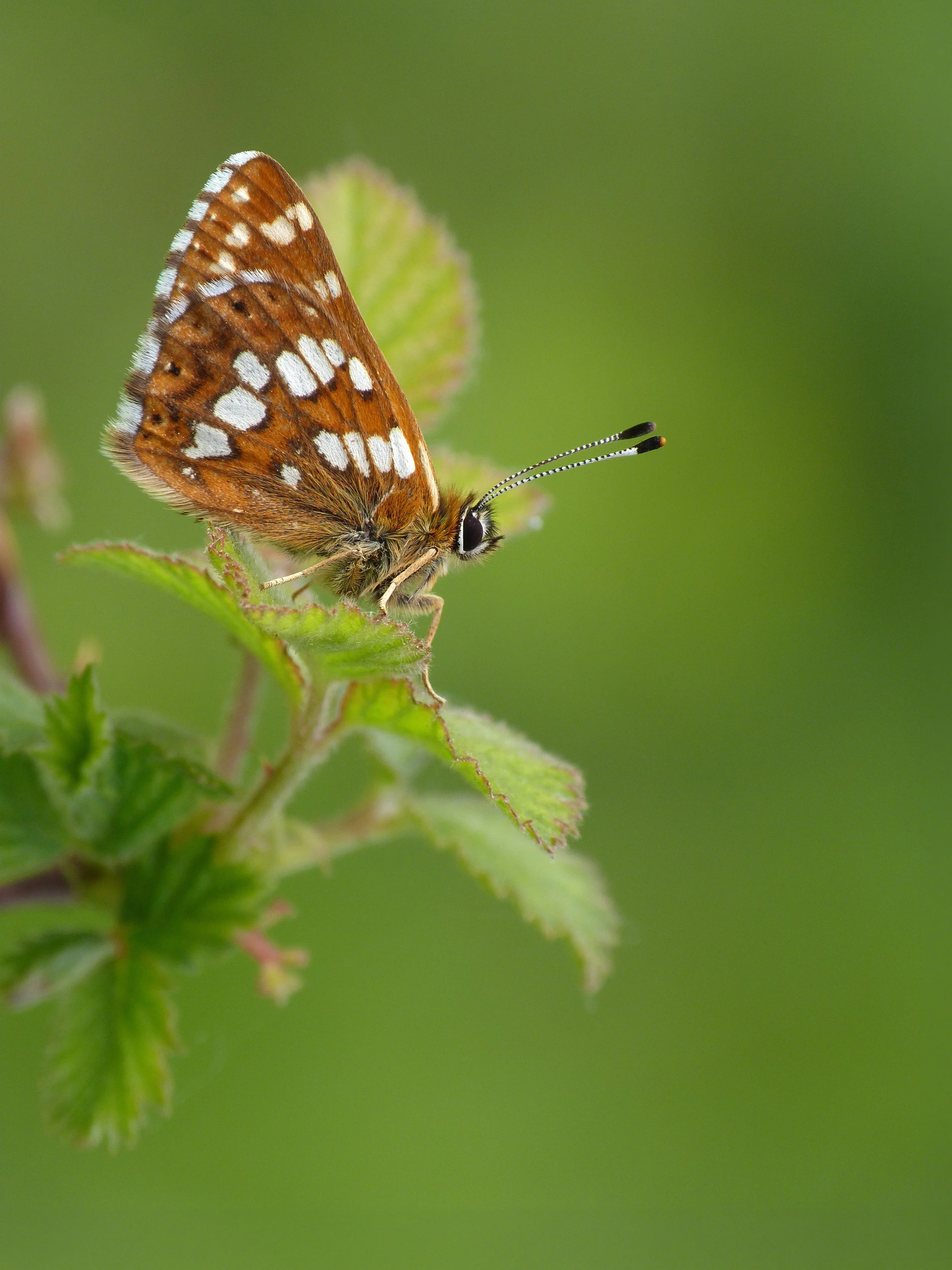
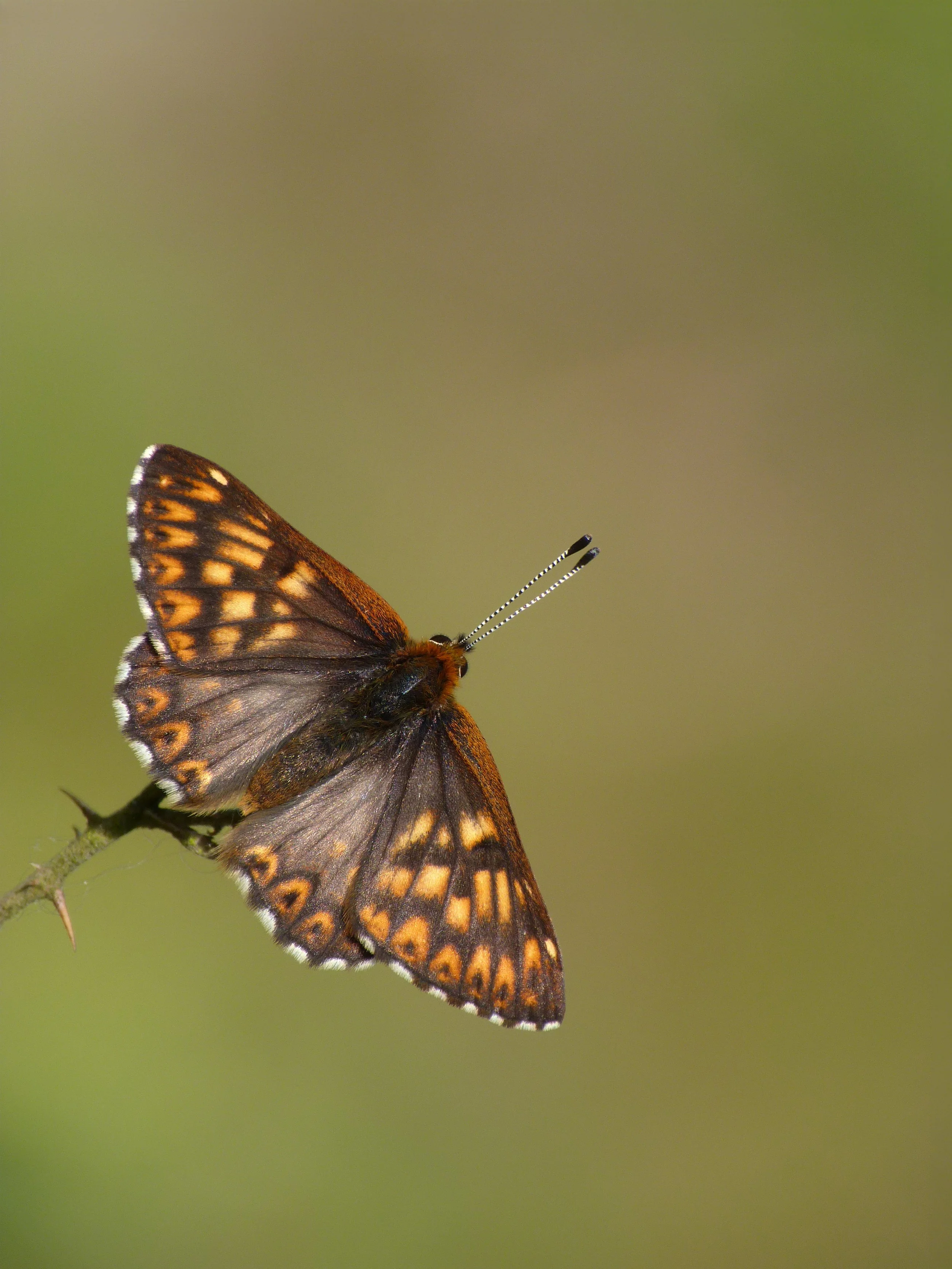
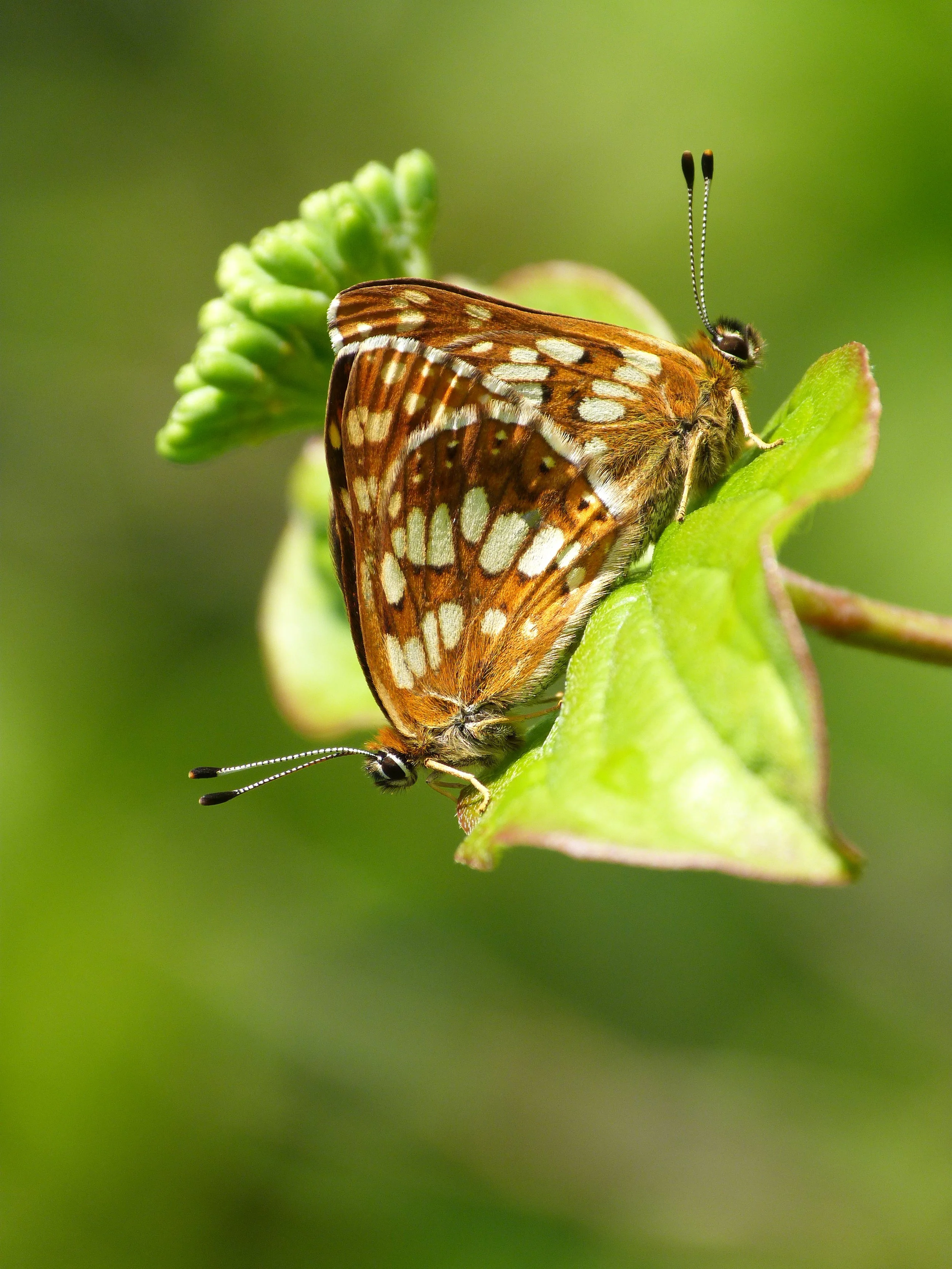
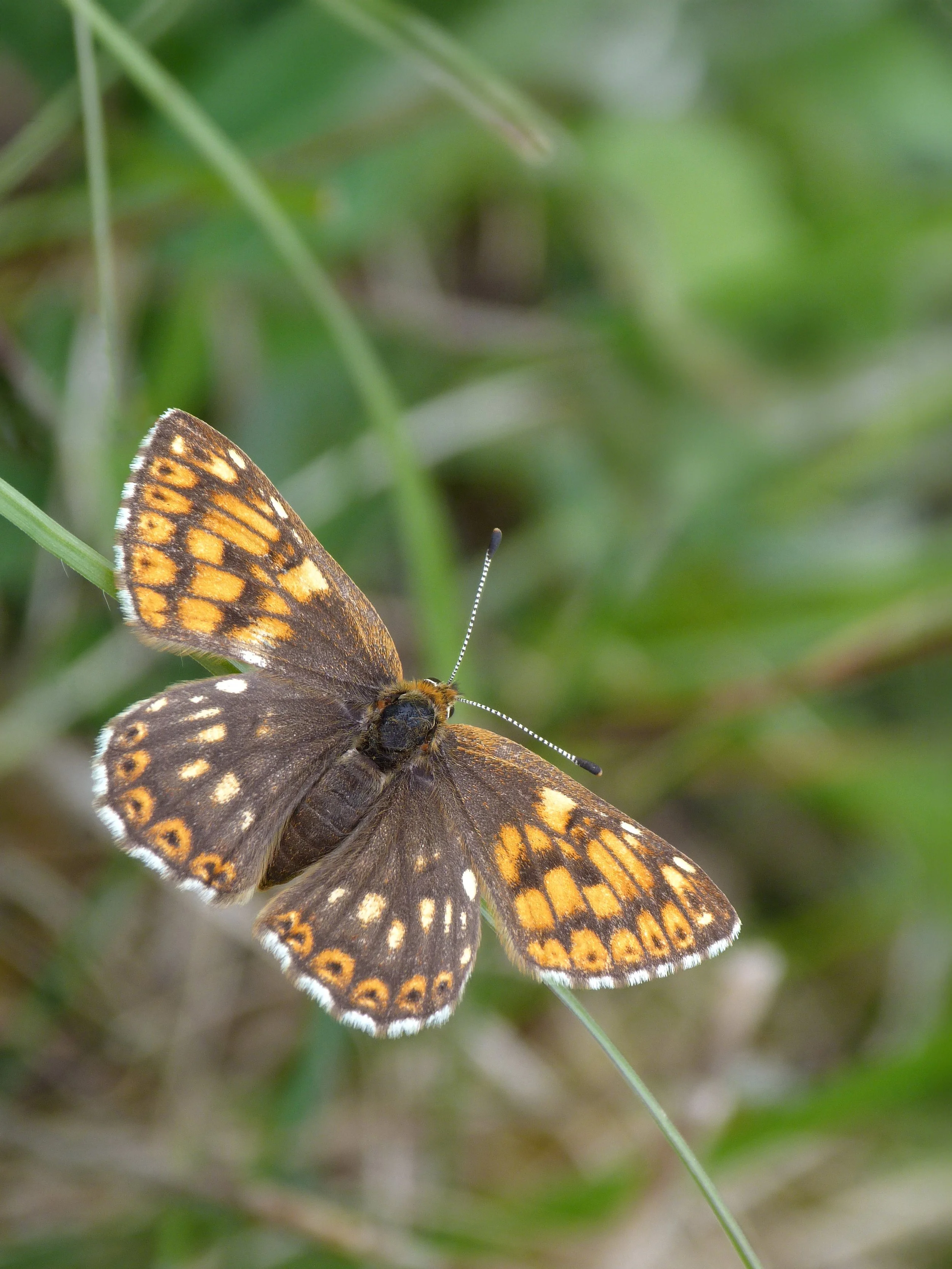
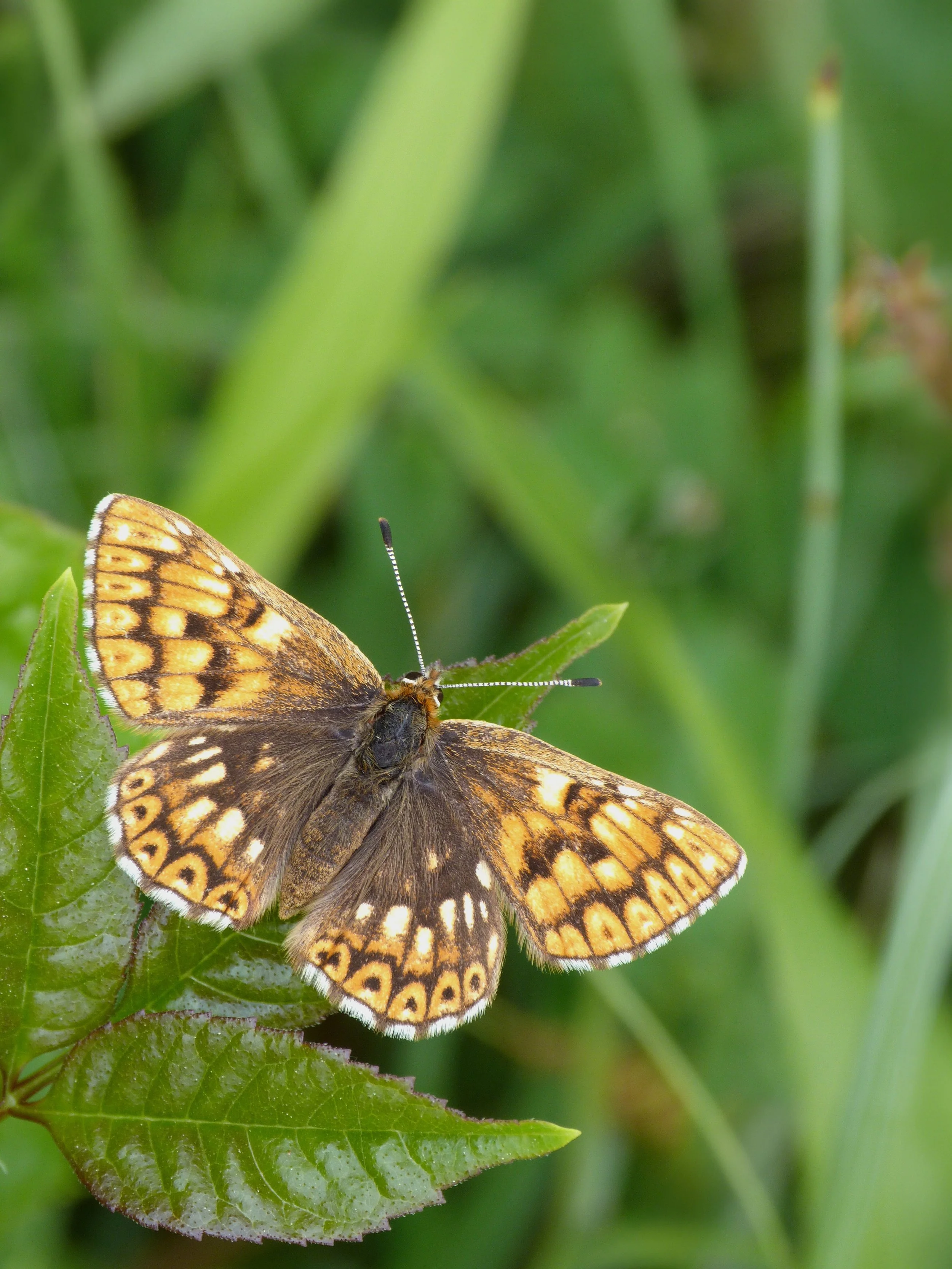
The Duke of Burgundy Hamearis lucina is a butterfly of quiet distinction, the sole British representative of the metalmark family, the Riodinidae. While its tropical relatives may gleam with metallic colour, this species carries a softer beauty, burnished orange and brown, like weathered copper in spring light. A curious trait marks the sexes: the female walks on six legs, while the male’s forelegs are much reduced, leaving him effectively four-footed.
The males are highly territorial and often choose a prominent perch (like a leaf or low vegetation). Holding their antennae forward improves their ability to detect pheromones released by females. The antennae are packed with sensory receptors, so this forward orientation helps them sample the air more effectively.
Today it is largely confined to central southern England, its former range having contracted by nearly 90% since the late twentieth century. Colonies are typically small and scattered, often numbering only a few dozen individuals at their peak.
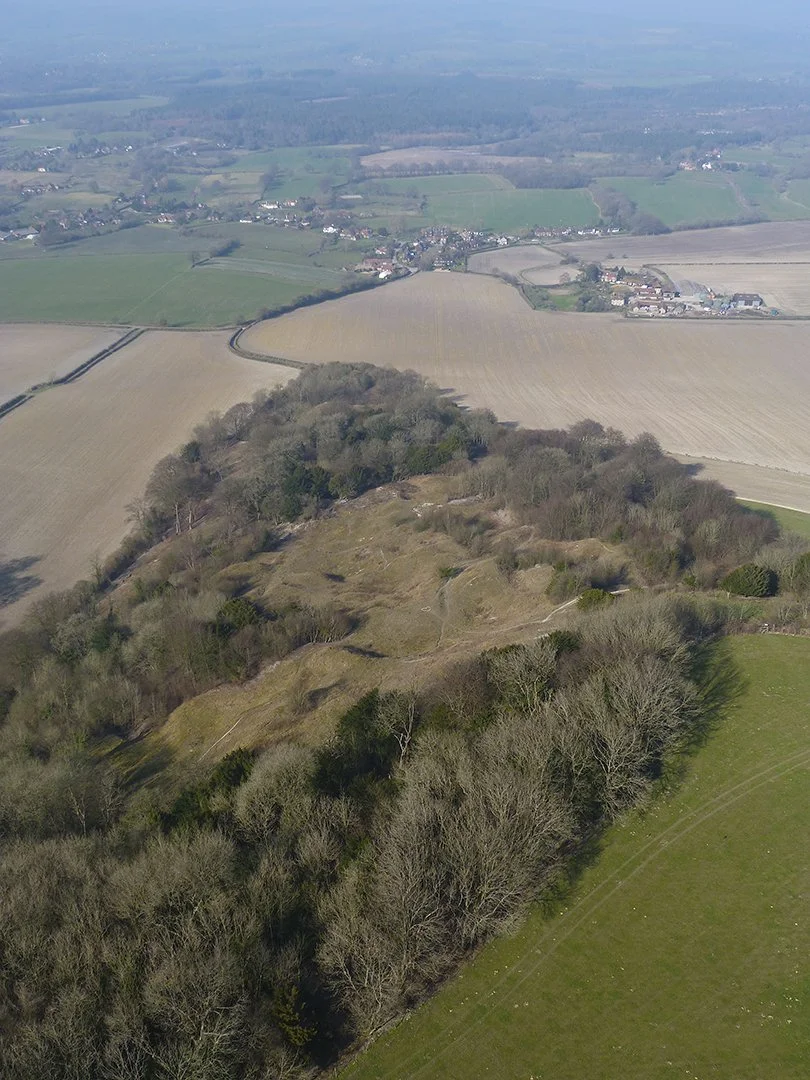
Historically a woodland species, it depended on sunlit clearings rich in Primrose Primula vulgaris. The decline of coppicing has dimmed these habitats, pushing many populations onto chalk and limestone grasslands, where Cowslip Primula veris now sustains the larvae. Its survival rests on balance: too much grazing removes its foodplants, while too little allows scrub to cast the shade it cannot endure.
In Sussex, however, the story has taken on a more hopeful tone. At the turn of this century the butterfly stood on the brink of local extinction - only eight individuals were recorded in 2003. Yet careful conservation, guided by habitat management and sustained effort, has reversed this decline. In recent years, numbers have risen into the high hundreds, with colonies now largely established on downland and a few persisting in woodland settings. Here, at least, the Duke has found a measure of reprieve.
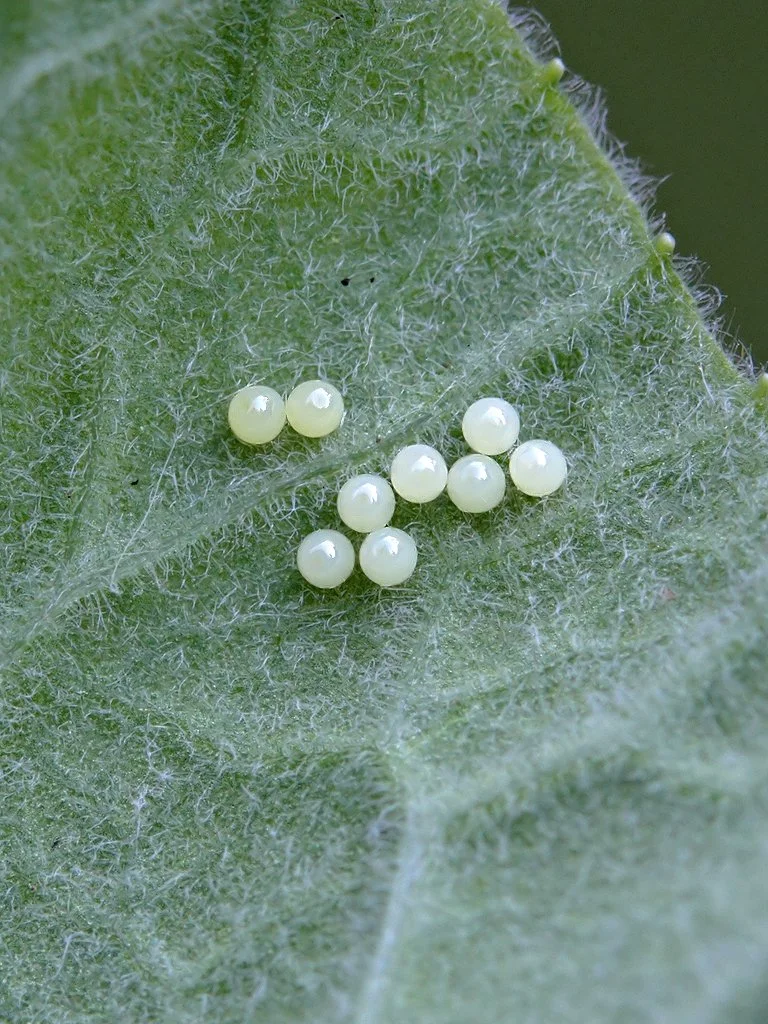
There is typically a single brood each year, emerging from late April and peaking in May. Males are fast and territorial, holding sunlit perches and darting out to investigate passing movement. Females fly more slowly and are most often seen laying eggs beneath primula leaves.
Across much of England it remains scarce and fragile, yet in places like Sussex it hints at recovery, a small, flickering testament to what careful stewardship can restore.
References:
Blencowe, M. and Hulme, N. (2017). The Butterflies of Sussex. Newbury, Berkshire: Pisces Publications on behalf of Butterfly Conservation (Sussex Branch), pp. 220-229.
https://www.ukbutterflies.co.uk/species.php?species=lucina [Accessed, 26th March 2026].