Seeking solitude …
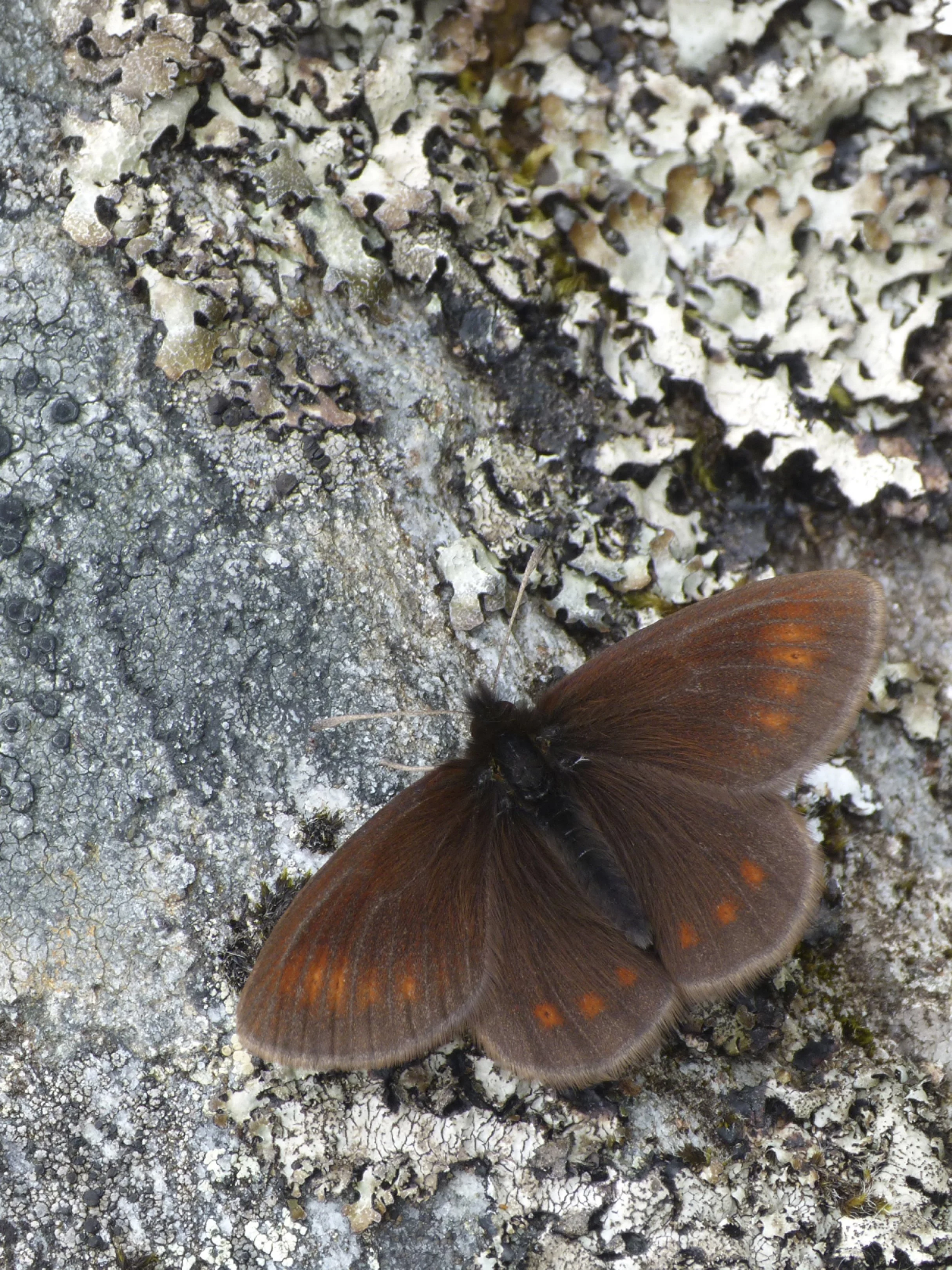
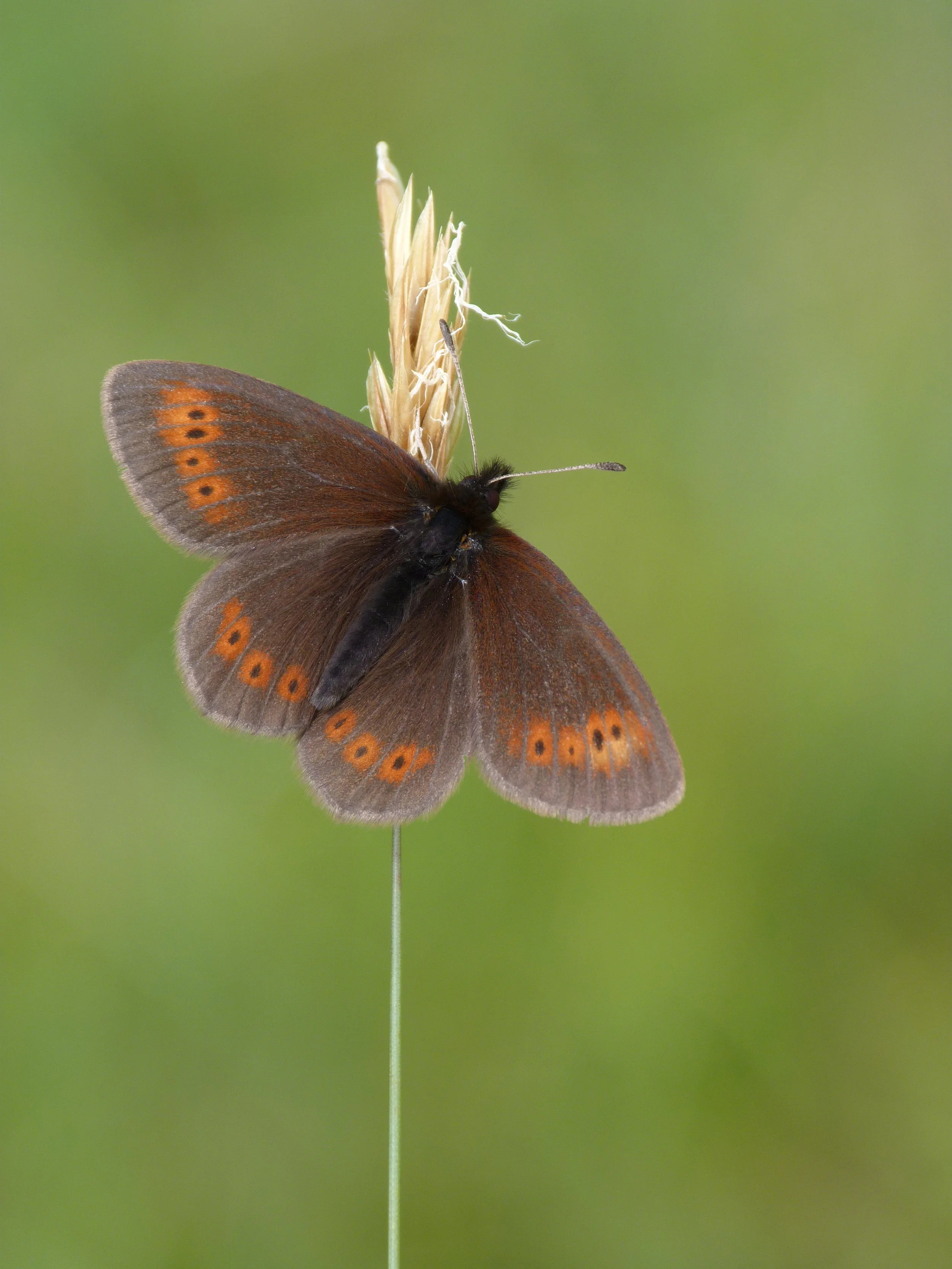
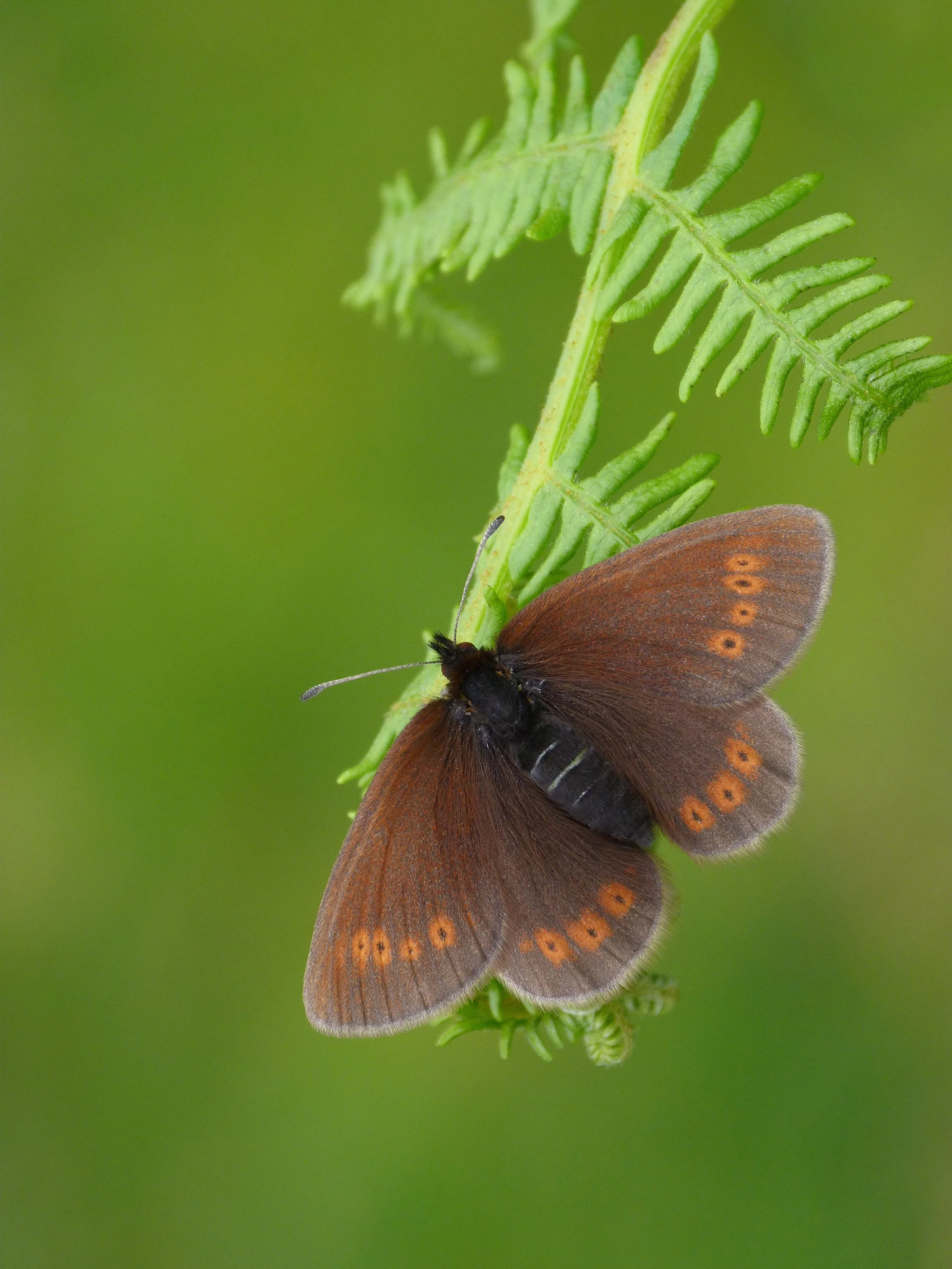
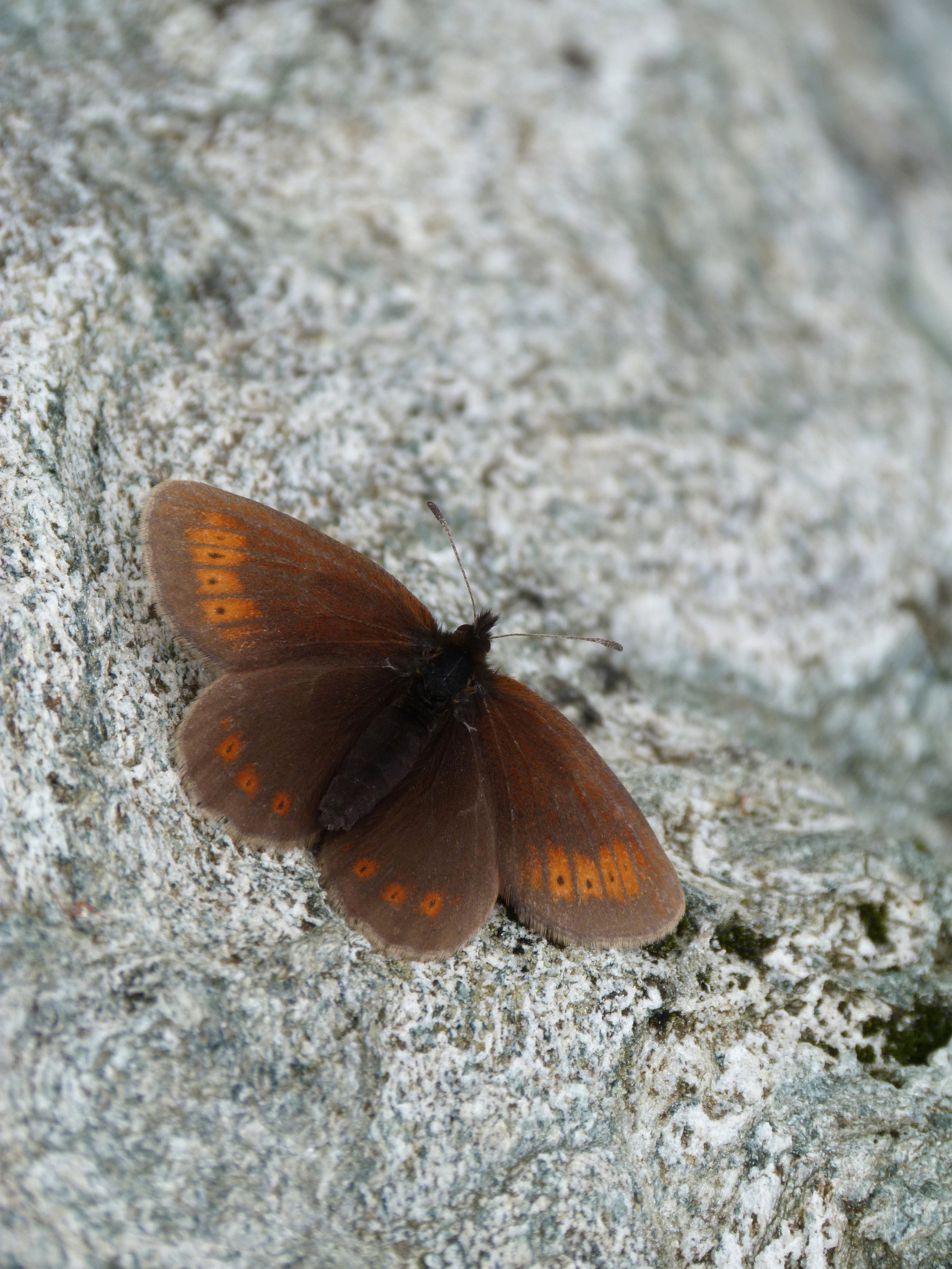
The Mountain Ringlet Erebia epiphron is among the more elusive butterflies of the British uplands. A univoltine species, it persists in scattered, often isolated colonies across remote montane landscapes. Its flight season is fleeting, and during unsettled weather the adults can be particularly difficult to detect, remaining concealed deep within grass tussocks where they shelter from wind and rain. Yet when temperature and humidity fall into harmony, the butterflies rise suddenly into the air, and a landscape that moments before seemed still and lifeless becomes quietly animated with movement.
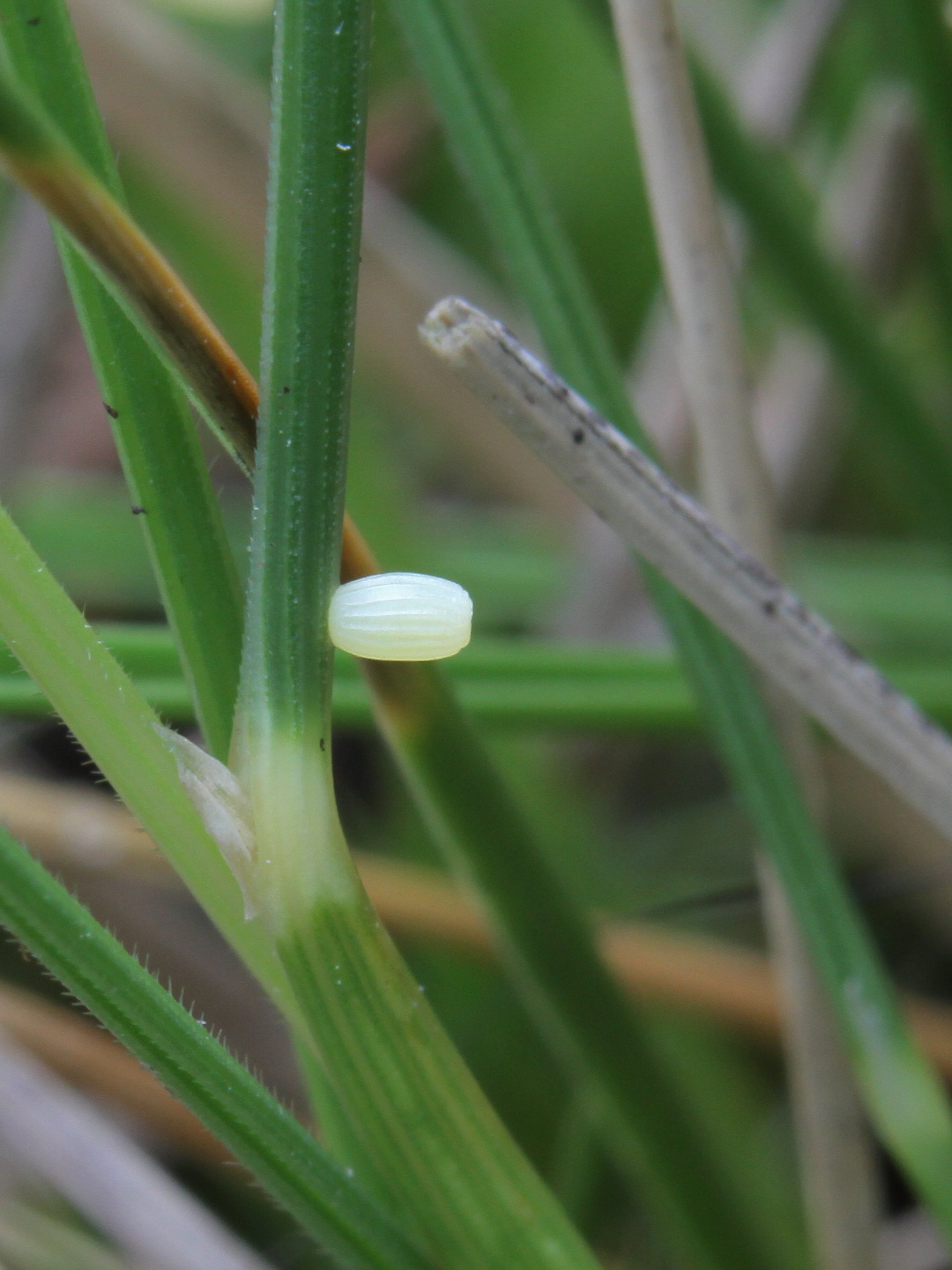
True to its vernacular name, the Mountain Ringlet inhabits mountainous terrain, most commonly between approximately 450 and 800 metres above mean sea level, though populations may occur both above and below this range. A previous journey to Scotland, undertaken with the specific aim of observing this species, yielded respectable numbers at elevations of around 500 metres. Among the individuals encountered were several aberrant males, along with the welcome sight of a mating pair and an egg laying female.
Within the British Isles, Erebia epiphron occurs in two principal regions. In England it is confined to the Lake District, within the historic counties of Cumberland and Westmorland, where the subspecies mnemon is found. In Scotland it inhabits western and central montane districts, particularly Argyllshire, West Inverness-shire, and Mid Perthshire, alongside a handful of scattered colonies elsewhere. Here the subspecies scotica, illustrated, is associated with damp, herb-rich Nardus grassland. Curiously, the species is absent from apparently suitable habitats in Snowdonia and the Pennines.
The Mountain Ringlet also carries a faint historical echo from Ireland, where four specimens suggest it may once have occurred. The story of the Irish Mountain Ringlet is an intriguing one and has been explored in detail in the dispar article referenced below.
Biogeographically, E. epiphron is thought to have been among the early Lepidoptera to recolonise the British Isles following the retreat of the last ice sheets. Despite this ancient lineage, its scientific discovery in Britain is comparatively recent: the Lake District population was first recorded in 1809 at Ambleside in Westmorland, while the Scottish populations were not documented until 1844 in Perthshire.
Today, the Mountain Ringlet remains a challenging species to monitor. Its colonies lie in remote upland habitats where access can be difficult and weather conditions unpredictable, and it is widely regarded as under-recorded. Nevertheless, evidence indicates declines at several lower-altitude sites, possibly linked to climatic warming. For this reason, the species has become a priority for conservation attention, its quiet presence among the high grasses a small but significant thread in the ecological fabric of Britain’s mountains.
References:
https://www.dispar.org/reference.php?id=1 [Accessed, 9th December 2025].
https://www.ukbutterflies.co.uk/species.php?species=epiphron [Accessed, 9th December 2025].